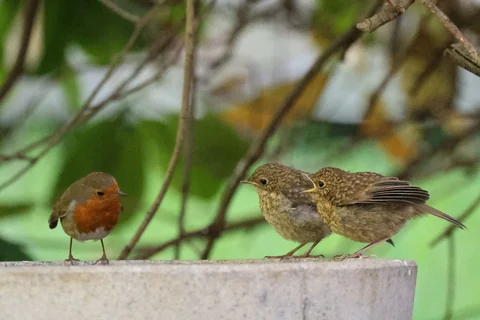
Watching birds
A young bird on the ground is not always abandoned
First assess immediate danger from a distance, then distinguish a normal young bird from one needing qualified help.
Read the noteSlower observation, notes and equipment
First assess immediate danger from a distance, then distinguish a normal young bird from one needing qualified help.
Read the note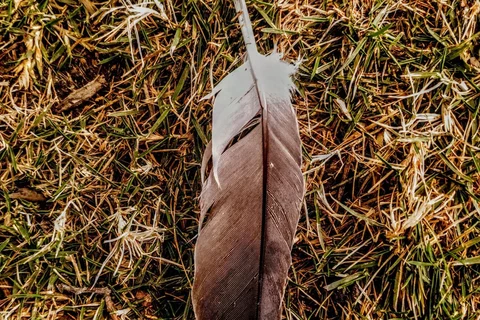
Feather replacement can change a familiar bird’s appearance, but it should not become an automatic explanation for every problem.
Read the note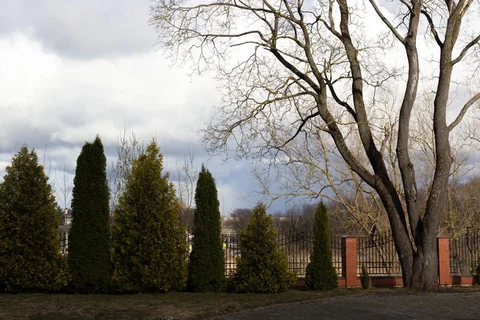
An empty view is a starting point for observation, not proof that all the birds have gone.
Read the note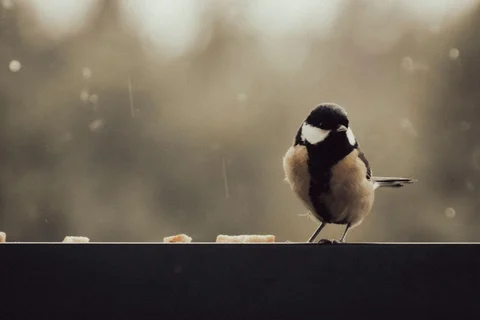
A sheltered view lets you notice where birds wait, search and resume their activity after a shower.
Read the note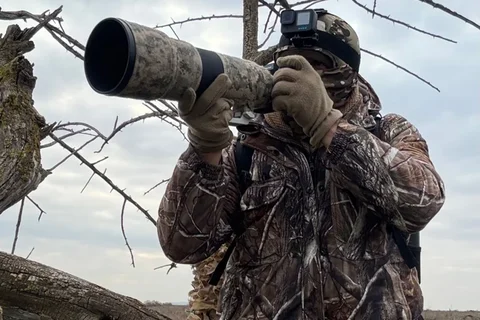
Choose the watching position first; the photograph should fit the bird’s ordinary behaviour.
Read the note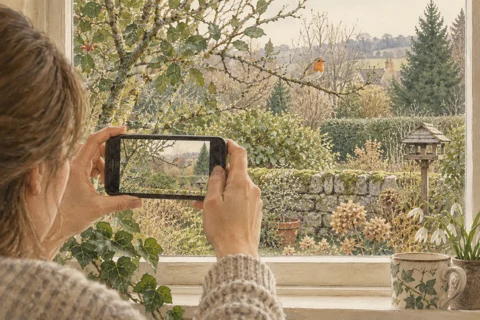
Use the phone to preserve a sighting, without expecting a distant bird to become a close portrait.
Read the note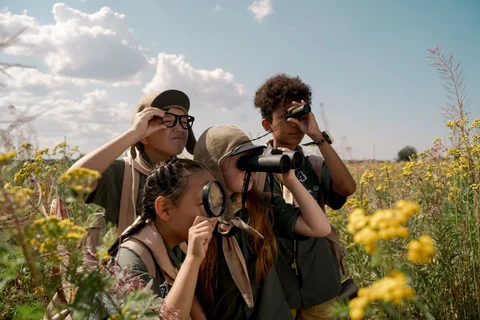
A short question about what a bird does can be more inviting than a test of its name.
Read the note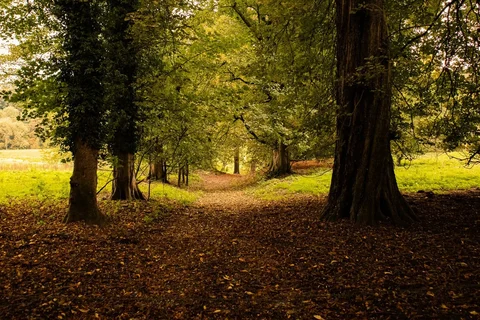
A short repeatable route can teach you more about a place than a succession of hurried visits elsewhere.
Read the note