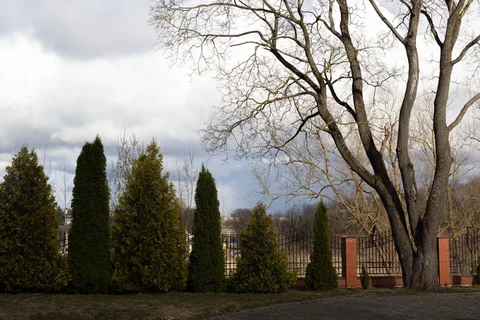
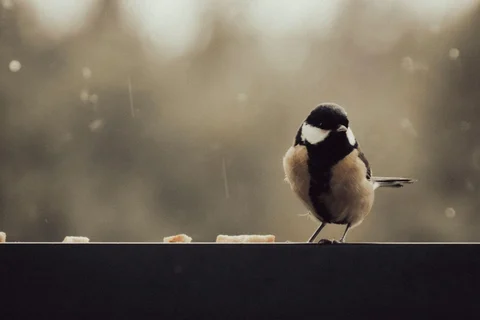
When a familiar bird looks scruffy
Feather replacement can change a familiar bird’s appearance, but it should not become an automatic explanation for every problem.
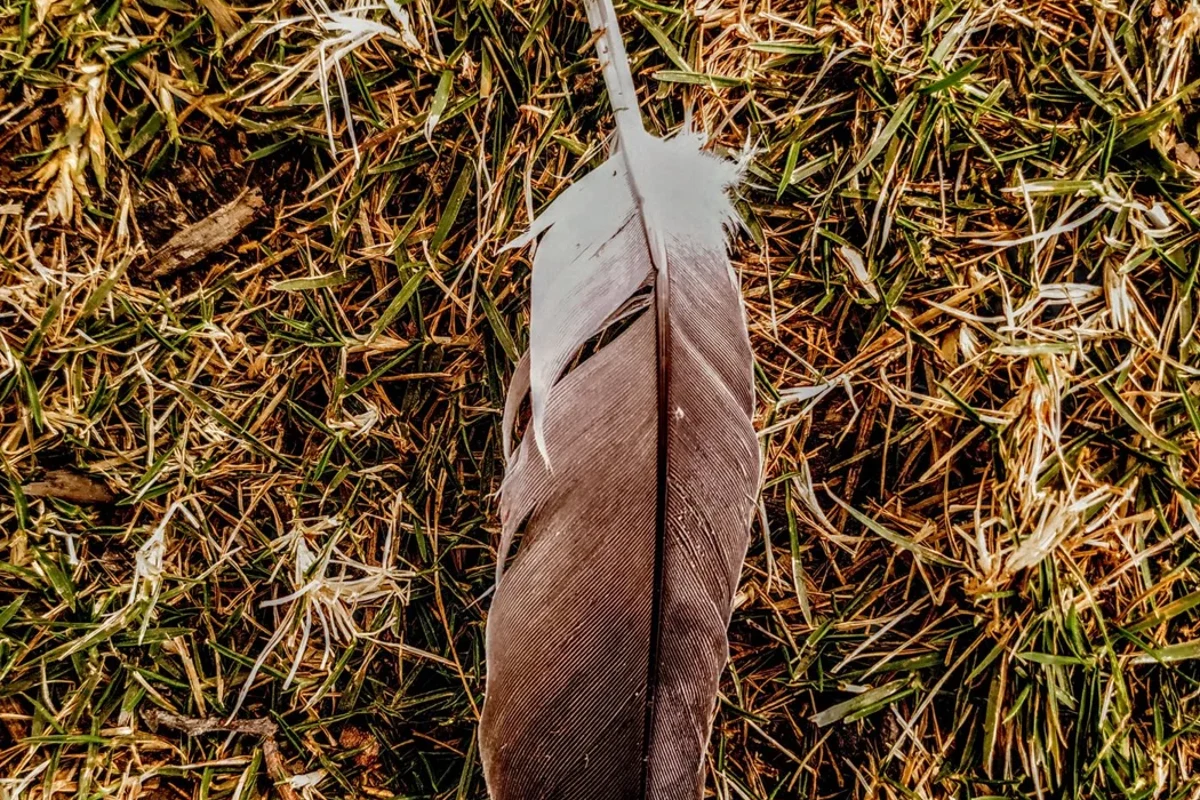
A different outline at the same perch
A blackbird or starling can look surprisingly untidy at a time when you expect to recognise it instantly. Feathers are replaced through moult, and the transition can change colour, outline and the neatness of the plumage. Young birds also move towards a different appearance as their early feathers are replaced.
Look at the whole bird rather than one odd patch. Is it moving normally, feeding and alert to its surroundings? Note those behaviours without trying to catch it for an inspection. A distant garden view cannot establish the condition of every feather or rule out illness.
The calendar is a clue, not a diagnosis
Many familiar garden birds replace feathers after breeding, but timing varies among species and individuals. A date on the calendar does not make every scruffy bird healthy, nor does an unusual date prove something is wrong. Use a species guide and, when needed, seek wildlife health advice.
Persistent weakness, difficulty feeding, an obvious wound or repeated failure to move normally deserves a different response from an otherwise active bird with uneven plumage. Keep these observations separate in your notes. Avoid using moulting as a reassuring label when you have not assessed the situation properly.
Photograph changes carefully
If a bird appears repeatedly, photographs can help you compare plumage stages. Keep the date and the original files. Be cautious about assuming it is the same individual on each occasion; many unmarked birds share the same garden and perches.
Describe visible changes rather than assigning a precise age. More dark feathers on body, head still brown is a useful note for a young starling. Exact ageing can require knowledge and views that an ordinary garden photograph does not provide.
Allow quiet cover
A bird replacing feathers may be less conspicuous, and a quieter garden can also reflect changing food and movement. Do not flush birds from shrubs to check that they are still present. Dense vegetation is useful precisely because it allows a bird to remain out of sight.
Keep ordinary observation gentle and consistent. A few notes about appearance, behaviour and date are enough to follow the seasonal change. The aim is to understand what you can see, not to turn every missing or untidy feather into a mystery requiring intervention.