Choosing your first nest box
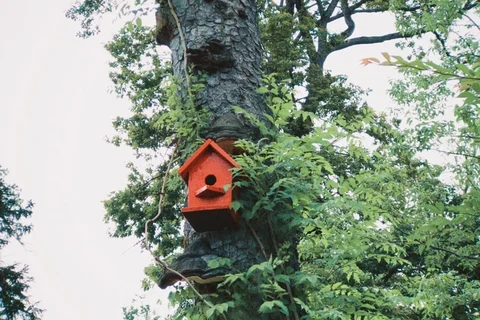
Start with the birds and the place, then look at the box. A decorative roof is a long way down the list.
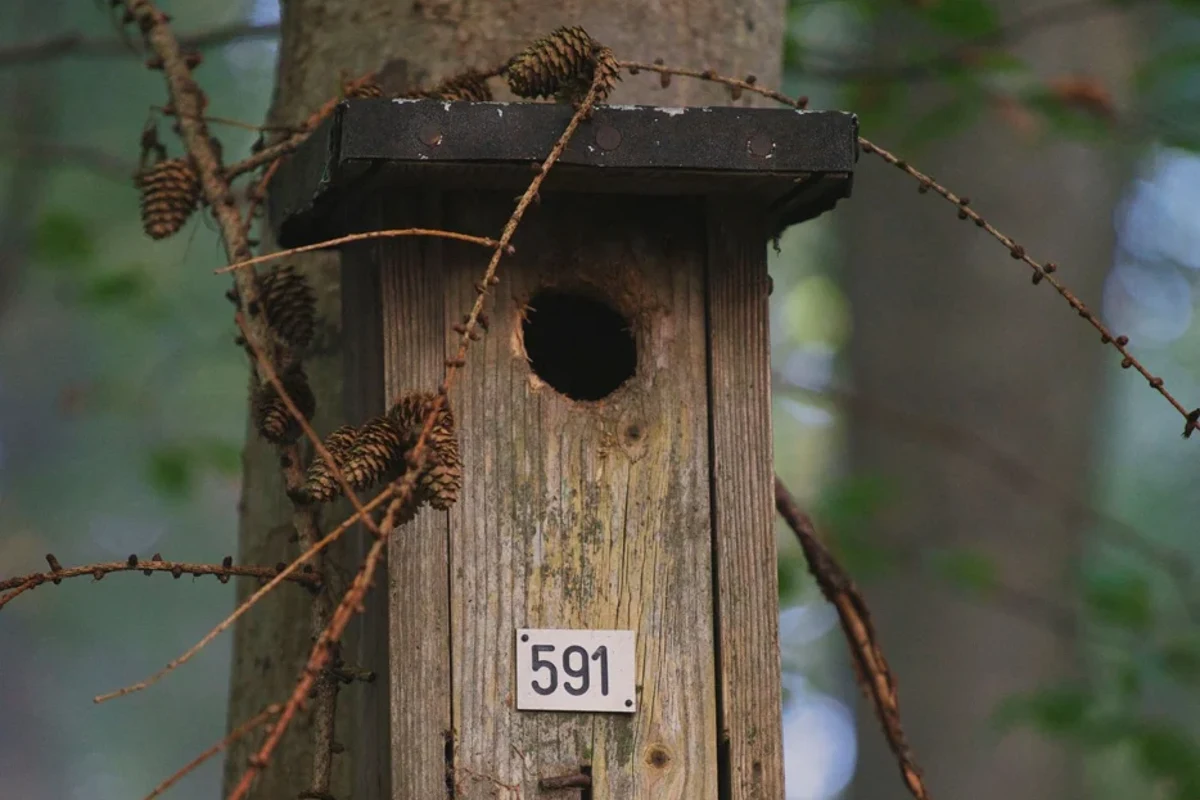
A nest box is a substitute for a cavity or sheltered nesting space. That sounds obvious, but it changes the shopping decision. The question is not which little house looks nicest on the fence. It is whether a particular bird could use its entrance, build inside it and reach it without passing through a busy or exposed spot.
Before buying anything, spend a few days noticing the birds already using the garden and the neighbouring trees. A garden visited by tits presents a different opportunity from a terrace with a resident group of house sparrows. Neither needs a box shaped like a miniature country cottage. Both need a suitable site and a structure that will last outdoors.
Look beyond the front panel
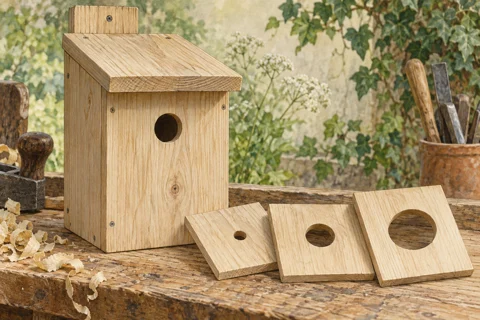
For a conventional small hole-nesting box, look for substantial walls, a roof that sheds rain and an interior that can be reached for maintenance when it is unoccupied. The British Trust for Ornithology's buying guidance is a useful reference for the dimensions and construction of this type of box. A thin decorative enclosure may be sold beside functional nesting products, so read the specification rather than relying on the photograph.
Ask how the box opens. Imagine doing that job with gloves on after a season outside. Is there a fastening that can be released without pulling the whole structure apart? Can you see how water leaves the base? A design that is difficult to maintain on a table will not become easier once it is attached to a wall.
The entrance should be selected for the intended occupants. A small tit box and a starling box are not interchangeable simply because both have round holes. Robins generally require a different, open-fronted arrangement with concealment. Use a species-specific plan or product specification, rather than enlarging a hole by guesswork.
Choose the place before the fixing
Try standing where you would watch the box from indoors. Then look at the proposed site at different times of day. A wall that feels cool in the morning may become very hot later. A tree branch that seems conveniently close may put an entrance directly beside a route used by cats. Check the approach as well as the mounting surface.
Do not buy a box that can only be installed where maintenance would require unsafe ladder work. Some birds, notably swifts, need specialist siting and installation rather than the general arrangements used for a small garden box. Permission also matters on a rented property or a shared building. These questions are easier to settle before the box arrives.
Allow the first season to be quiet
Keep the receipt and the product instructions, make a note of where the box is fitted, and leave it undisturbed. An unused box is not proof that something is wrong. Birds choose between several sites, and a new structure may take time to become part of their surroundings.
Repeatedly lifting the lid to check for progress defeats the purpose of providing shelter. Observe from a distance instead. A bird carrying material or food gives you something useful to record without approaching the nest. Once nesting begins, maintenance and improvements can wait. The box is then an occupied home, not an unfinished garden project.