Bird notes
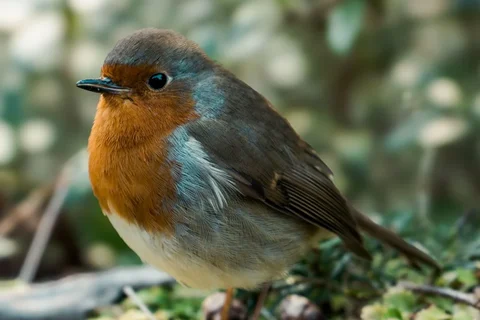
A robin is more than a red breast
Notice the pause between movements, the round outline and the way a robin claims a small patch of garden.
Recognising the birds that share our gardens
Notice the pause between movements, the round outline and the way a robin claims a small patch of garden.
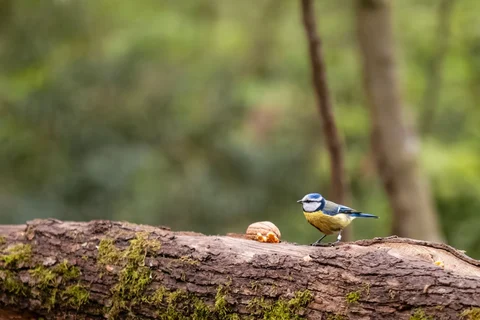
The most revealing view may be a bird searching the underside of a leaf rather than facing the camera.
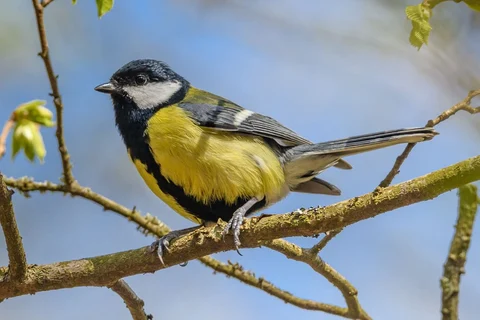
A two-note song is a useful introduction, but this bird has more than one voice.
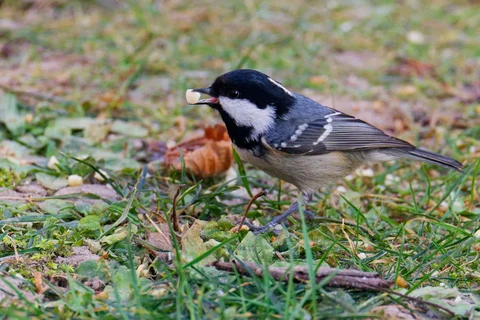
A small pale patch at the back of the head can settle an identification that the face alone leaves uncertain.
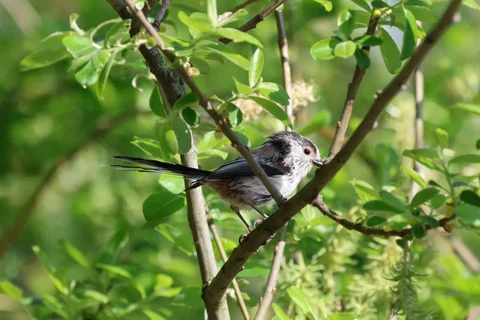
Give a passing flock time to cross the garden; the first bird is rarely the whole story.
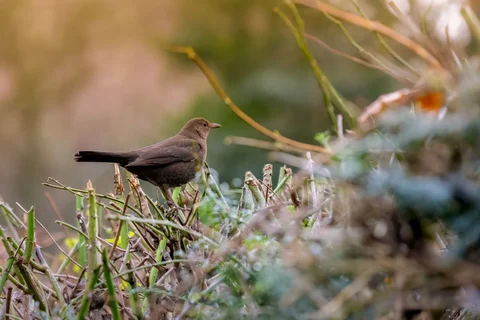
The lawn, leaf litter and the top of a tree offer three quite different views of the same species.
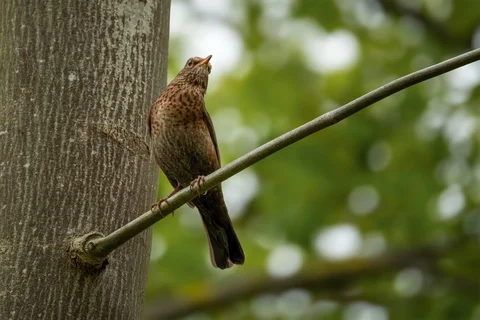
Repeated phrases and a warm brown back are useful clues, especially when the singer stays high above you.
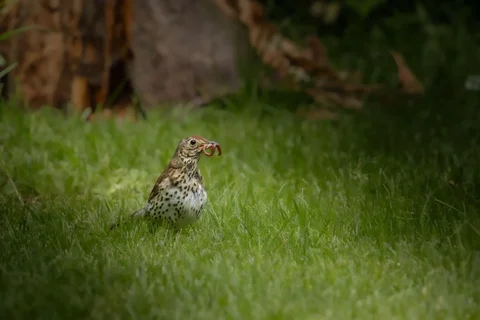
Use shape, posture and several markings together; a single photograph of spots can be deceptive.
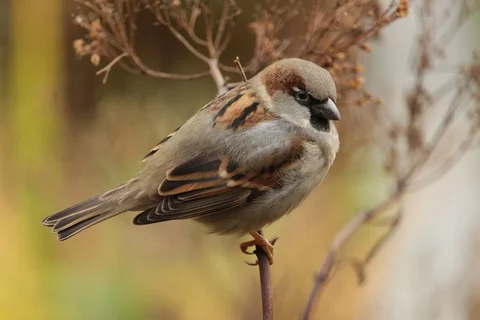
The sound inside a hedge can tell you where a sparrow group spends its time, even when few birds are visible.
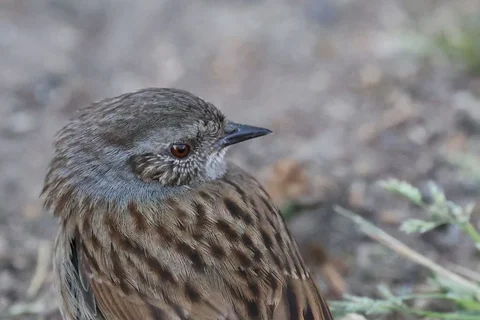
Look low, look slowly, and pay attention to the narrow bill on this easily overlooked garden bird.
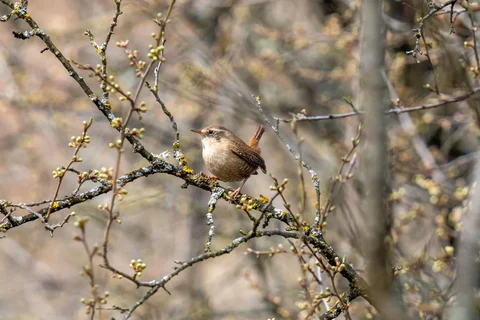
A short upright tail, a burst of movement and an unexpectedly loud voice are often all you get.
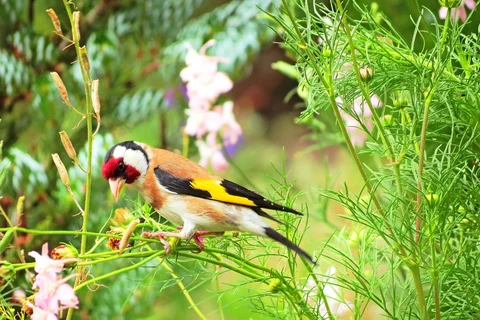
A yellow wing bar can identify a bird whose face is hidden, or whose juvenile face has no red yet.