Getting to know one short birdwatching walk
A short repeatable route can teach you more about a place than a succession of hurried visits elsewhere.
Choose a route you can repeat
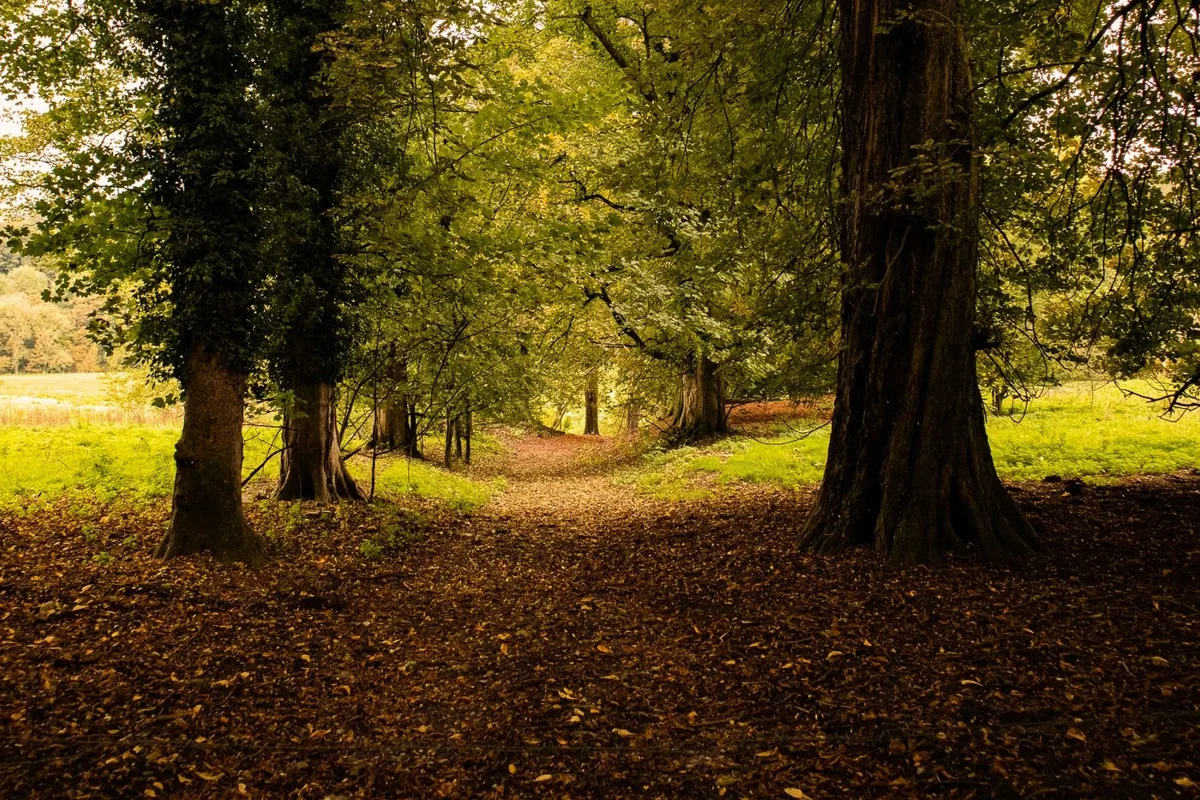
Look for a safe public route with a few different features: a hedge, some mature trees, open ground and perhaps water. It need not contain rare birds or dramatic scenery. The practical questions matter more: can you reach it regularly, use it in ordinary weather and stop without obstructing other people?
Check access rules, opening times and any seasonal restrictions before the first visit. Do not assume a track is public because it appears on an online map. Choose an accessible alternative where surfaces, gates or gradients would make the walk difficult for you.
Give familiar places names
Pick a few landmarks that will remain recognisable, such as the bridge, the large oak or the corner of the playing field. Use them in your notes. A record of a wren near the bridge is easier to compare than one saying halfway round, especially if your walking pace changes.
On the first visit, spend more time learning the route than trying to count every bird. Notice where you can stop safely, where sound carries and where dense vegetation limits the view. Those hidden areas are part of the habitat, not a reason to leave the path.
Repeat with enough consistency
For informal comparisons, use roughly the same route and similar amounts of time. Record major differences such as strong wind, maintenance work or an unusually busy path. You can also make separate visits at other times, but label them clearly rather than treating all sightings as equivalent samples.
Avoid counting a bird again merely because you have walked closer to its singing position. Draw a rough location on the route map if it helps. If several birds move around and the count becomes uncertain, record a minimum or an estimate with that limitation stated.
An organised survey may require a specific route, pace, time window and recording method. Follow those instructions when participating rather than substituting your personal routine.
Let repeated visits change the question
At first you may ask which species are present. Later, you might notice which hedge section is used in winter, where birds feed after rain or which tree carries the earliest song on your morning route. These are questions that familiarity makes possible.
Keep exact nesting locations private and leave any site where your presence interrupts birds. Share paths courteously, keep dogs under appropriate control and respect other visitors' space. A route that remains enjoyable and accessible to everyone is easier to return to.
End each visit with a short note about one change and one familiar feature. Over time, those ordinary details form a record of the place that a list of occasional unusual birds could not replace.