Separating mistle thrush from song thrush
Use shape, posture and several markings together; a single photograph of spots can be deceptive.
Two spotted birds, one difficult view
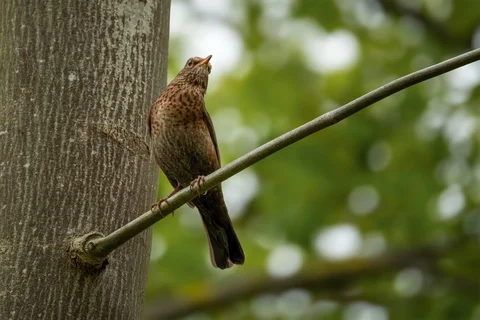
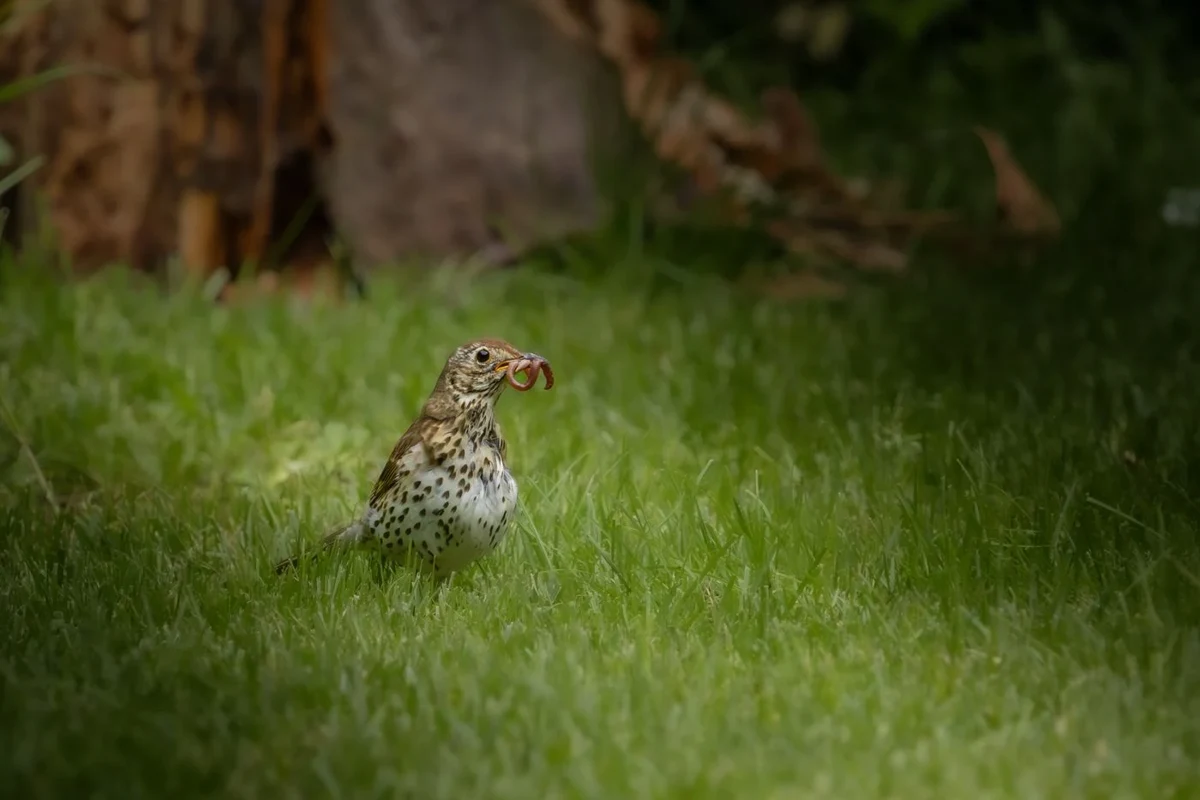
Song thrush and mistle thrush can be awkward to separate when only one is present. Size comparisons become unreliable across a large lawn, and a photograph can make a small bird look imposing. Begin with the overall impression: a mistle thrush is a larger, more upright bird, often appearing relatively pale and grey-brown above. A song thrush tends to look warmer and more compact.
The breast pattern supports that first impression. Mistle thrush markings are generally rounded and spread across the underparts, while a song thrush often shows more pointed, arrow-like marks towards the upper breast. Feather position, shadow and distance can blur the distinction. Do not turn one spot into a verdict.
Build a comparison you can check
In your notes, separate the features into things seen clearly and things merely suspected. Upright posture, pale back and rounded breast spots provide a more useful account than large thrush. If you did not see the tail or hear a call, leave those fields blank. Looking at a guide afterwards can otherwise tempt you to remember details that were never visible.
A rough sketch can help even if it is only an oval body and a few marks. Draw where the strongest patches appeared. Add a familiar object for scale only when it was in the same plane as the bird; a distant fence post does not provide a reliable ruler for a nearby bird.
A bird with a wider setting
Mistle thrushes may use open grass for feeding and tall trees as prominent perches. In winter, an individual can defend a fruiting tree. If one repeatedly chases birds from the same area, note the resource involved instead of describing it simply as aggressive. The behaviour has a context, and that context may disappear when the fruit is gone.
The rattling call and the song can help confirm an identification, but listen to reference material away from the bird. Do not use playback to make it respond. A distant bird can remain an unidentified thrush if the evidence is incomplete.
Return another day from the same public path or garden viewpoint. A better side view may solve the question immediately. There is no need to approach a nesting tree or cross private ground to settle an identification that can wait.
When the photograph will not decide it
Imagine a spotted thrush standing in shade while the grass behind it is brightly lit. The camera may brighten the bird and wash out its warm tones, or darken it until the spots merge. Changing the image's colour temperature afterwards can make it resemble either comparison species. Keep the untouched photograph and give more weight to shape and markings that were genuinely visible.
A side-on view of the bird's stance, tail and body proportions is often more useful than a tightly cropped breast. If you take several frames, retain the wider one as well as the detailed one. It preserves the relationship between the bird and the ground, which can help another observer interpret the posture.
Sometimes the responsible answer remains song or mistle thrush. That is a narrower and more useful identification than simply unknown bird, and it records the limit of the evidence. You can still describe the feeding behaviour or the tree being used. Not every interesting observation needs a final species name before it belongs in the notebook.