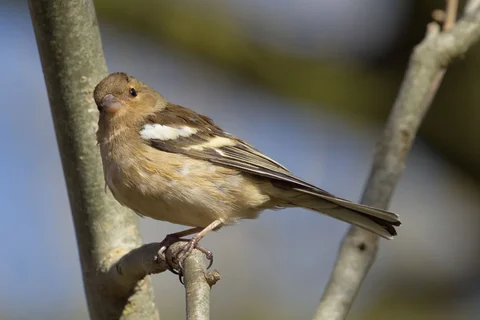
Bird notes
Recognising chaffinches away from a feeder
The wing pattern is often a better starting point than the colour of the breast.
Recognising the birds that share our gardens
The wing pattern is often a better starting point than the colour of the breast.
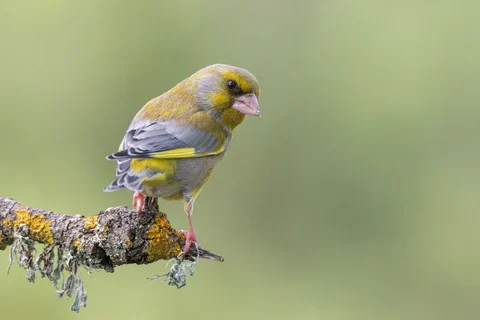
Look for the heavy bill and yellow wing edge, including on birds that barely look green.
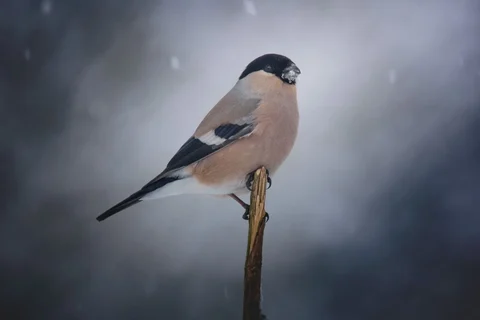
A white rump or a soft call may be the first clue to a bird that stays close to cover.
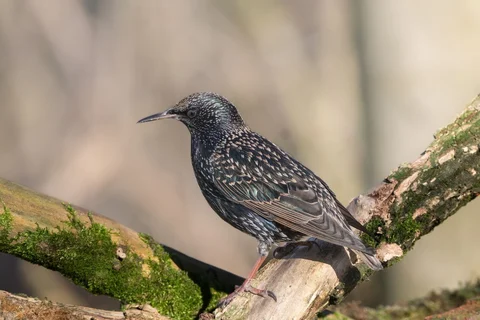
Changing light and changing feathers explain why one species can look glossy, spotted or plain brown.
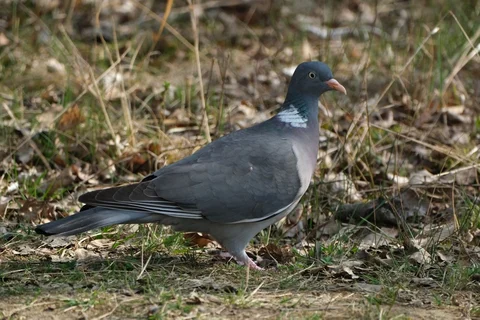
A familiar large bird becomes more interesting when you watch its outline, call and use of space.
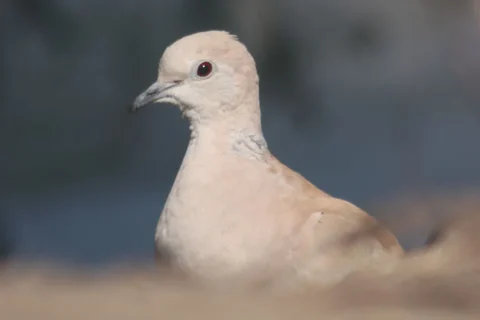
Its pale outline and repeated cooing make a roofline worth a second look.
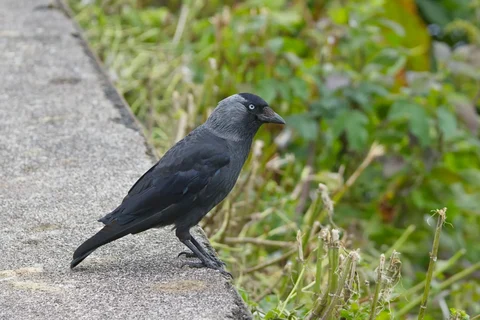
A pale eye and grey nape separate this compact crow from its larger neighbours.
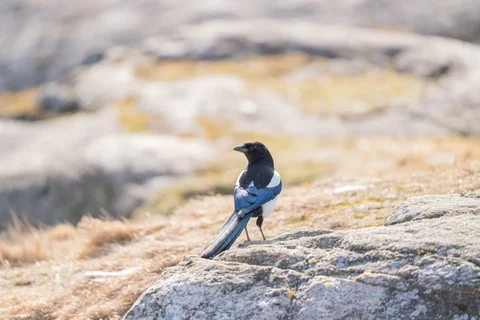
Observe the action in front of you without turning a familiar bird into a character from a story.
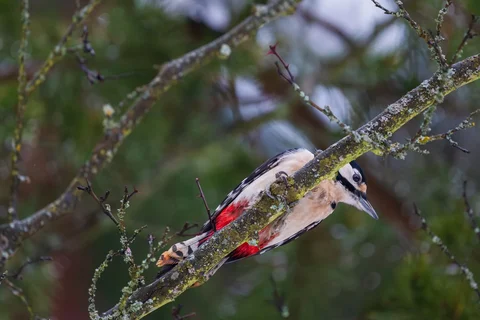
A sharp call, a brief drum or a patterned back may reveal the bird before you see its face.
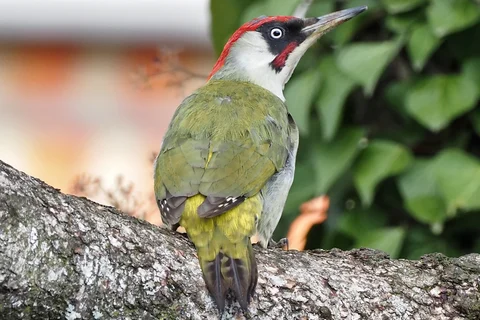
The bird investigating the grass may be a woodpecker, even when it spends little time pecking at trees.
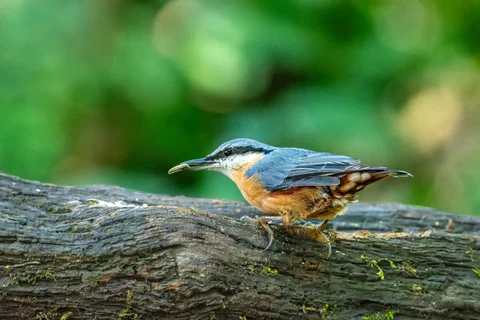
The direction of travel is striking, but look at the bill and face before naming every trunk-climbing bird.
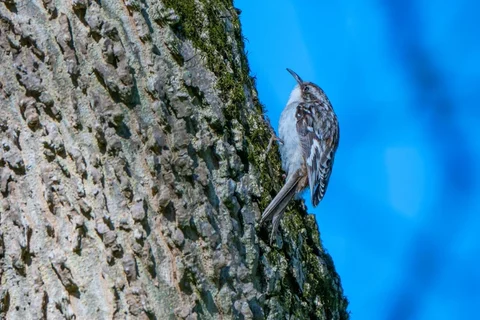
The trick is often to stop searching the leaves and watch a small piece of bark move.