Planning bird care before a holiday
A holiday plan should cover cleaning and leftovers, not merely appoint somebody to refill the feeder.
Decide what will happen before you leave
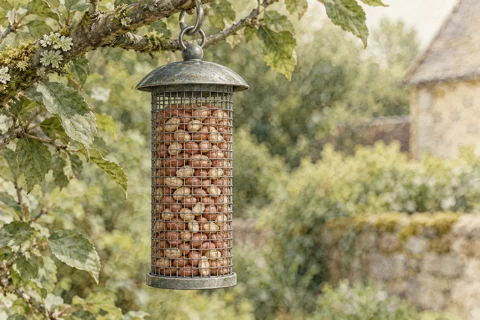
A feeder filled to the brim is not a holiday care plan. Food can become wet or contaminated while you are away, and a larger reserve may stay outside longer than normal. Choose between a manageable routine performed by someone else and a pause in supplementary feeding.
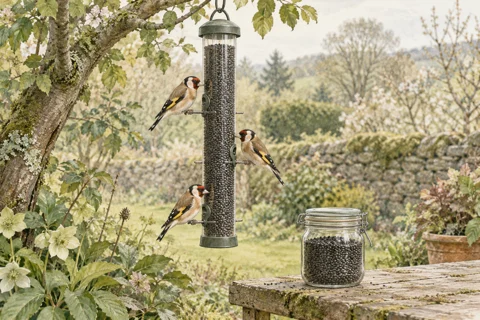
The time of year matters. If your absence falls during the seed and peanut pause, those feeders should already be empty and stored. Do not leave them filled as an exception because a neighbour finds seed easier to manage than another task.
Give a helper a small, clear job
Show the person the equipment while you are still at home. Explain the actual quantity used, how to remove old food and where the dedicated cleaning kit is kept. A photograph of a normal small fill can be more useful than an instruction to keep it topped up.
Ask them to report signs of illness and explain that they should stop feeding rather than continue the schedule regardless. They do not need to identify a disease. Provide a link to the current advice and make clear where waste should be disposed of.
Do not ask an occasional helper to climb for a feeder or dismantle an unfamiliar complicated model. Simplify the setup beforehand. The routine should remain achievable in poor weather, not depend on the person's willingness to improvise.
Water needs its own arrangement
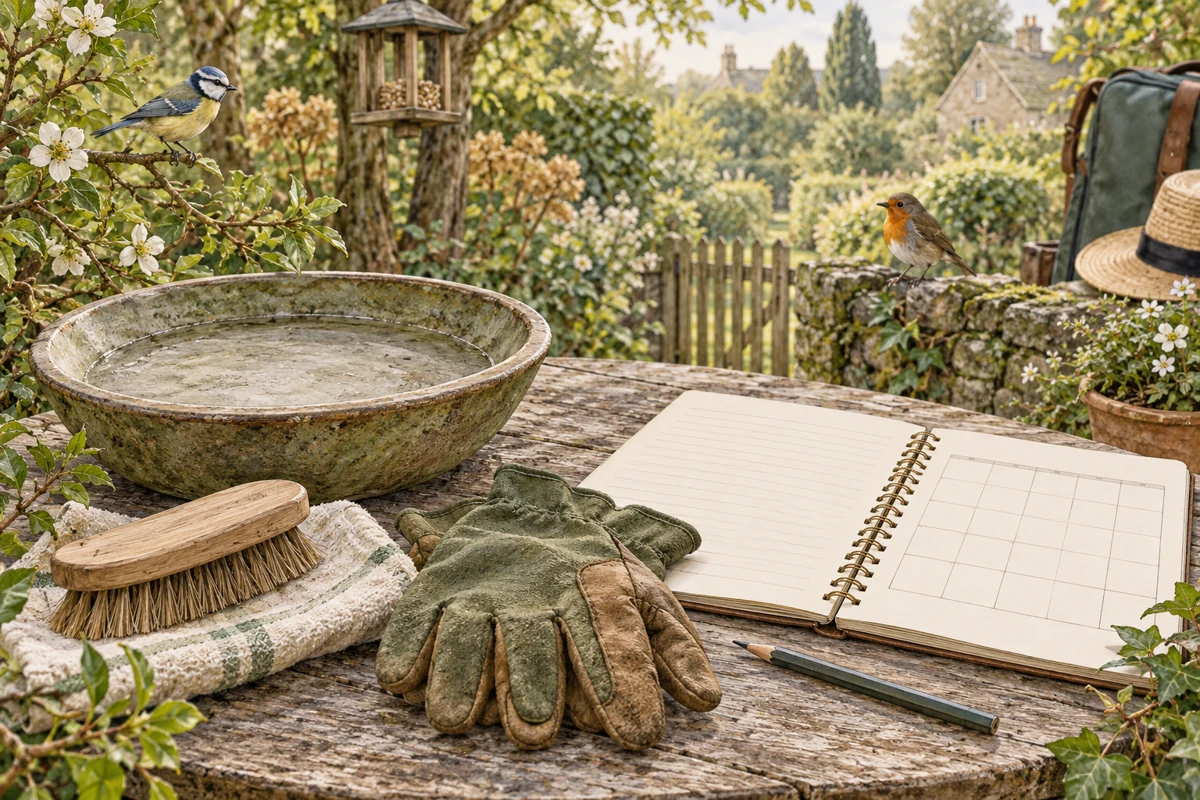
A bath is not made self-maintaining by being filled more deeply. If supplementary water is necessary, it needs daily replacement and regular cleaning. Ask explicitly whether the helper can manage that, rather than treating it as an extra they will notice.
Where suitable natural water already exists, current guidance does not generally call for an additional bath unless that source freezes or dries. Consider the real setting and the forecast, while avoiding assumptions that a large container will remain clean throughout the trip.
Leave a short handover note
A useful note might specify the feeder by location, show the usual small fill in a photograph and state where the clean replacement is stored. Add the date of the last full clean and a clear instruction to remove any wet or spoiled food. Avoid writing a lengthy species guide that hides the actual tasks.
Give the helper permission to pause if the routine becomes impractical. It is better for them to leave equipment clean and empty than to feel obliged to keep it full while uncertain about its condition. Ask for a brief update on any problem so you can plan the return.
Pausing is a legitimate choice
If nobody can maintain the equipment, clean, dry and store it rather than leaving food to deteriorate. A garden's value to birds does not disappear when a feeder is put away. Shelter and living vegetation remain, and birds use a wider landscape than one household's hook.
On return, inspect the site before resuming. Ask whether any unwell birds were seen and follow the appropriate interruption period if necessary. Restart with a modest amount in clean equipment, not a double serving intended to compensate for your absence.
Keep the plan short enough that somebody will read it: what is offered, how much, what gets cleaned, and when to stop. A holiday routine that demands too much is less dependable than a smaller one carried out properly.