The seasonal approach to feeding garden birds
The 2026 guidance changes the calendar for seed and peanuts. The aim is to reduce sustained crowding and disease transmission.
A change worth putting on the calendar
Older garden advice often recommends seed feeders throughout the year. Current BTO guidance takes a seasonal approach: offer seeds and peanuts from November to April, and pause them from May through October. This includes familiar options such as sunflower hearts and nyjer, not only bags labelled mixed seed.
The change responds to evidence about disease risk, particularly finch trichomonosis. It is not a claim that seeds suddenly become poisonous on a particular date. The feeding arrangement influences where birds repeatedly gather and share resources, and the seasonal pause aims to reduce that risk during the more vulnerable period.
Translate the advice into your own setup
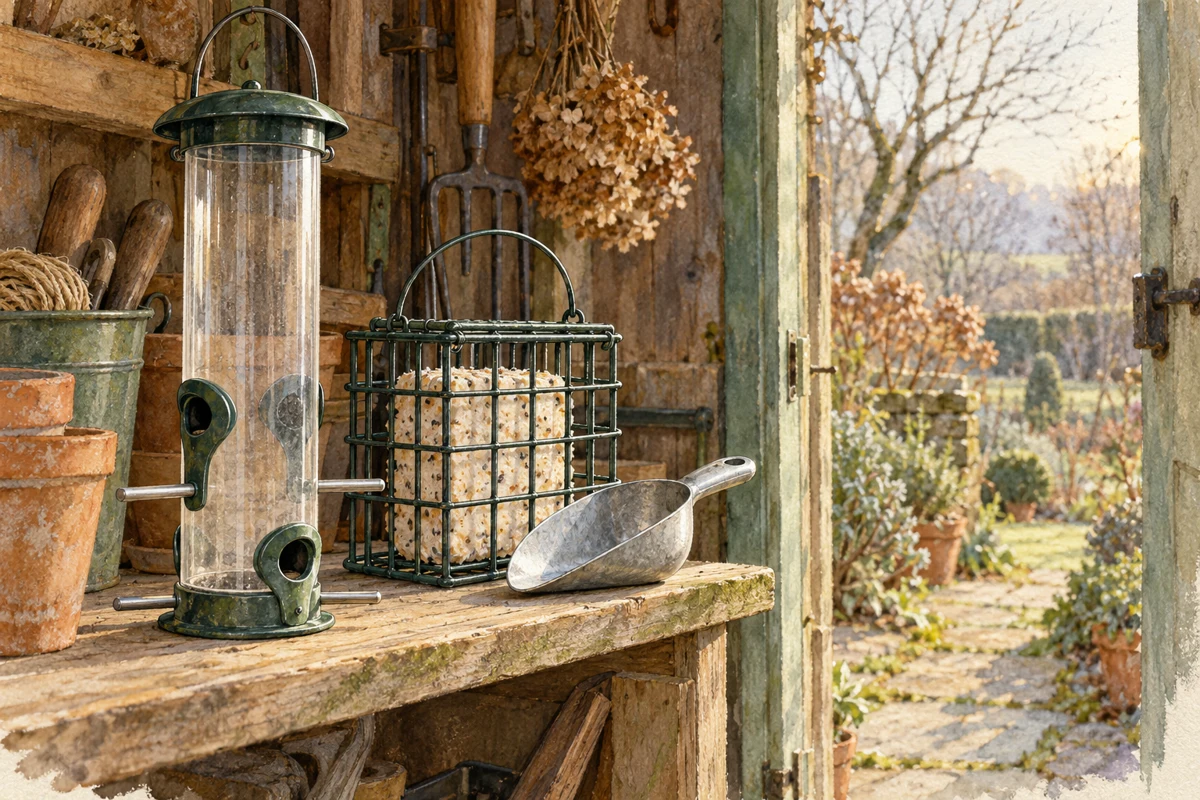
List the foods you actually offer. A suet product may contain seed, and a feeder may hold more than its label suggests. Read the ingredients rather than deciding from the name or packaging colour. Keep the seasonal guidance with your supply list so a household member does not unknowingly refill a paused feeder.
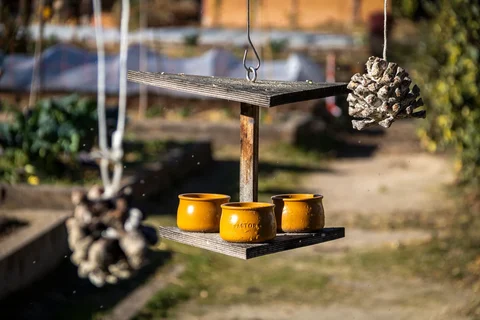
At the end of April, empty, clean and dry seed and peanut feeders before storing them. Do not replace the hanging supply with a heap on the ground. That changes the presentation while preserving the same gathering point and adding a surface where food and droppings can accumulate.
The summer interval is an opportunity to improve habitat: retain insect-supporting plants, leave some seed heads and give established shrubs space. Natural food distributed through a garden is a different arrangement from a constantly topped-up container at one point.
Other foods still require judgement
Mealworms and suitable suet may be offered in moderation under current guidance, but they are not a reason to maintain the largest possible feeding station. Weather, spoilage and the ability to remove leftovers still matter. A small amount managed properly is different from leaving a reserve outside for several days.
If you cannot keep food fresh and equipment clean, pausing supplementary feeding is an acceptable choice. Gardens support birds through shelter and vegetation as well as purchased food. The presence of an empty hook does not mean you are neglecting the wildlife around it.
Make winter feeding manageable
When the seed season returns, start with the quantity the garden actually uses. A large feeder need not be filled to the top. Observe how much remains and adjust your purchases accordingly, rather than letting a bulk bag dictate how much must be put outside.
Use hanging equipment that is easy to dismantle, and avoid flat feeding surfaces under the current recommendations. Cleaning remains necessary; the seasonal calendar does not replace it. Equally, scrubbing more often is not a substitute for the seasonal pause.
An annual supply plan
Think of the seed season as a finite period when buying supplies. In March, a bulk order that would normally last three months may leave a large remainder at the end of April. Purchase for the weeks ahead rather than assuming that anything bought must eventually be used outdoors. Keep products within their storage instructions and discard anything that deteriorates.
A simple calendar can hold three different reminders: the seasonal change, the weekly cleaning task and a prompt to review the actual quantity being eaten. These reminders do not all trigger the same action. A clean feeder can still need to be paused for the season, while a feeder in the correct season can still require immediate emptying because the contents became wet.
If several people care for the garden, agree who changes the setup and where the equipment is stored. Put the current guidance with the food container so an old printed leaflet or a remembered habit does not silently become the household policy again.
Illness changes the routine immediately
Signs of disease call for an interruption regardless of month. Stop feeding, clean and put equipment away, and follow current disease guidance before restarting. Do not wait until the planned seasonal change.
Review the linked advice occasionally, especially when buying a new supply. Research and recommendations can change. A short note of what you offered and when is more useful than defending a routine simply because it has been followed for years.