Why the kitchen scrap bowl is a poor feeding plan
Reducing kitchen waste is worthwhile, but a mixed bowl of leftovers makes it difficult to know what wildlife is receiving.
A mixed bowl hides the ingredients
A spoonful of leftovers can contain salt, sauce, cooking fat and several foods that were never intended for wild birds. Once everything is combined, even the person who prepared it may struggle to say exactly what is there. That makes a kitchen scrap bowl a poor basis for a feeding routine.
Keep bird feeding separate from the wish to use up household waste. Buy less, refrigerate suitable leftovers for people or use the appropriate food-waste collection. Birds do not need to become the last stage of every meal's disposal plan.
Familiar does not mean suitable
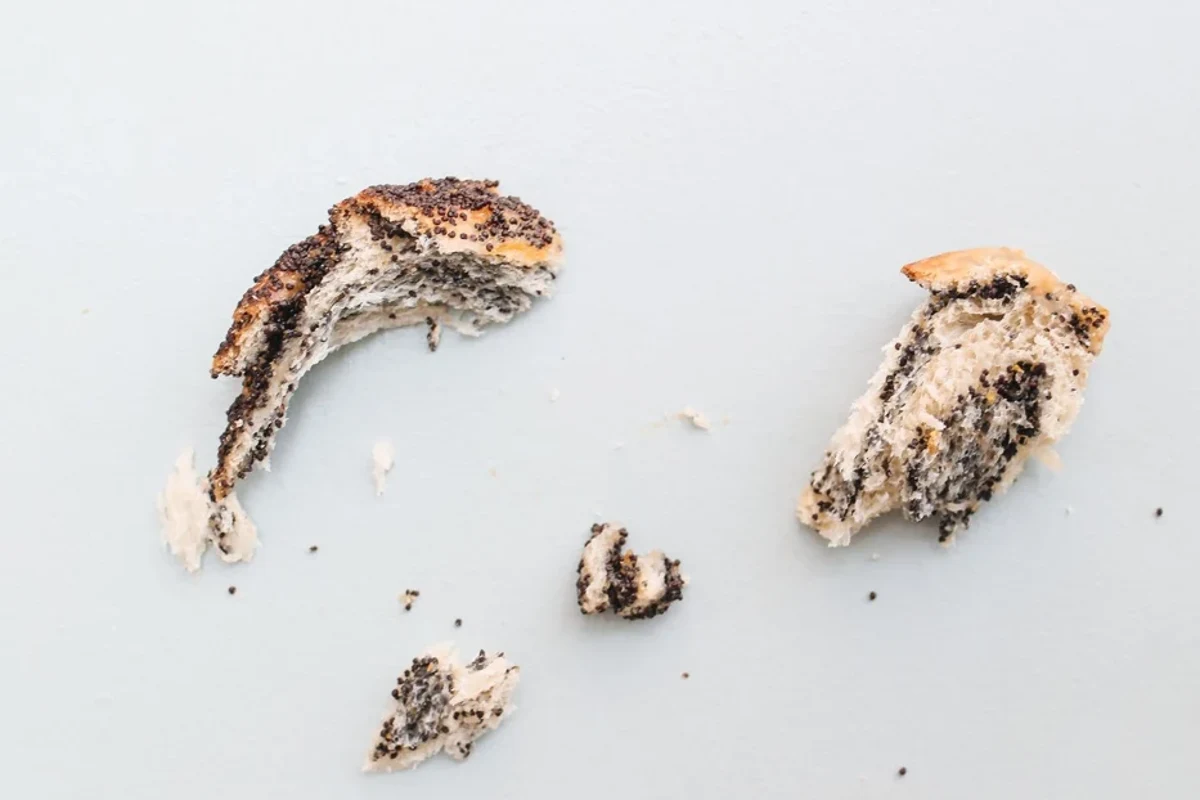
Bread is easy to scatter and birds may take it, but eagerness alone does not establish that a food is a useful dietary choice. Salty snacks, flavoured nuts and cooked dishes add further uncertainty. Mouldy food should never be put out in the hope that wildlife can make use of it.
Fruit is sometimes recommended in bird-feeding guidance, yet household circumstances matter. Vine fruits such as raisins can harm dogs, so putting them where a pet may find them creates an avoidable risk. A food that is appropriate in one setting can be unsuitable for your garden.
The surface matters too
Leftovers tend to be placed on a table, lawn or large dish because they do not fit a hanging feeder. Current UK guidance discourages flat feeding surfaces. A habit built around scattering scraps can therefore conflict with the design of safer feeding, even before the ingredients are considered.
Food in grass is difficult to recover once it becomes wet or trampled. A daily top-up may leave more behind than the visible portion suggests. It can also attract animals the householder did not intend to feed, leading to another problem that did not need to arise.
Keep the alternative simple
If you choose to feed birds, use a suitable food, in season, through equipment you can clean. Offer an amount that can be monitored. You do not need a broad menu or a new recipe every week.
Habitat work is another option: plants, shelter and undisturbed foraging areas are not dependent on kitchen leftovers. The garden can support wildlife while the scrap bowl stays in the household waste routine, where its contents can be managed for what they actually are.