Making space for a rowan tree
A rowan changes the view through the seasons, but its mature shape still needs room.
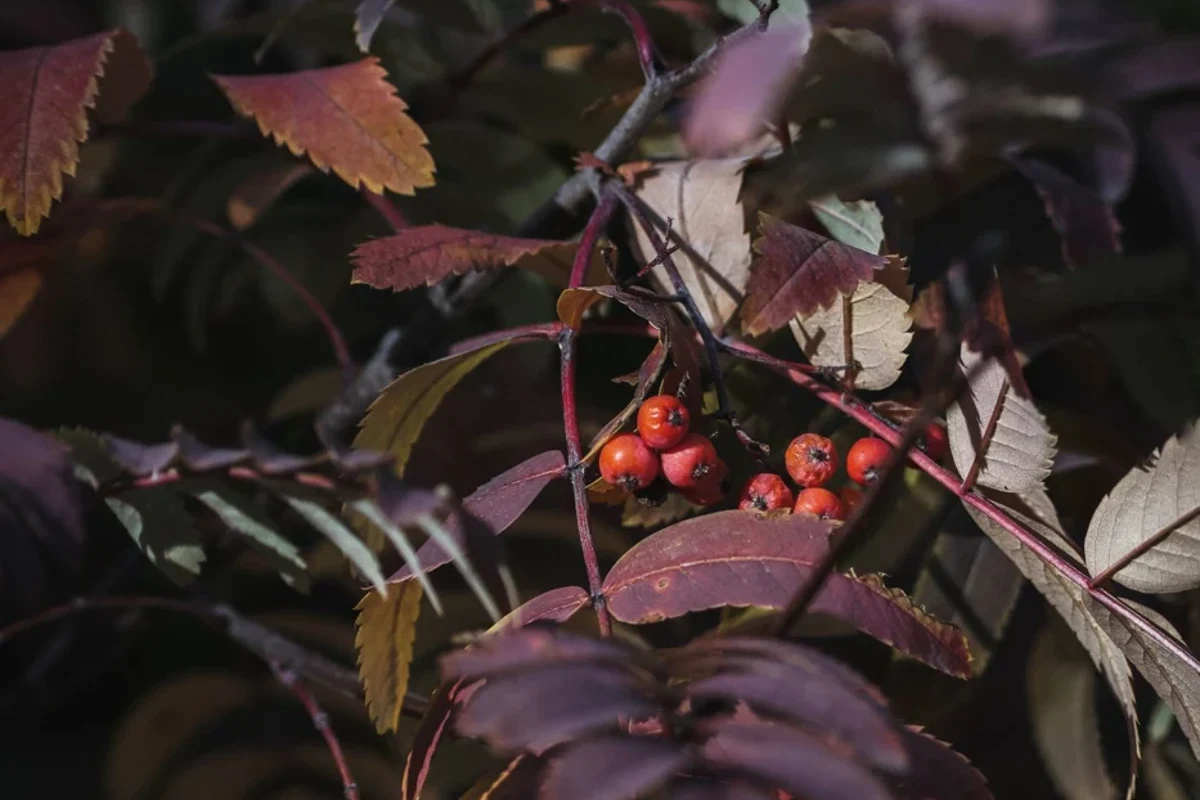
A rowan in fruit can turn an ordinary boundary into a place worth watching. A bird may pause on an outer branch, take a berry and disappear before you have found the binoculars. That brief visit is part of the appeal: the tree remains a tree, rather than a feeding station arranged for an audience.
Sorbus aucuparia is the native rowan, sometimes called mountain ash despite not being a true ash. Its divided leaves and clusters of fruit help distinguish it. Garden selections differ in size and habit, so a recommendation for 'a rowan' is only the start of choosing a particular plant.
Read the space in winter
Measure where the crown can grow, not just where a hole can be dug. Think about the view from upstairs windows, access beneath the branches and what is planted nearby. A tree positioned for one attractive photograph can become awkward when it spreads over a path or into a neighbouring plot.
Discuss your soil and exposure with the supplier. A plant sold as suitable for a small garden still has requirements and a mature spread. If you cannot allow the proposed tree room, choose another plant instead of planning to hold it permanently at sapling size.
Establishment comes first
For a newly planted tree, the first task is helping its roots establish. Follow planting instructions for the stock, check moisture during dry spells and keep any stake or tie under review. Put those checks somewhere you will remember them. A tree at the far end of the garden can be surprisingly easy to overlook while its leaves still look green.
Avoid piling mulch against the trunk. Keep the planting area accessible enough to notice damage and competing vegetation. There is time to develop the planting beneath it once the tree is growing well; surrounding it immediately with vigorous plants can make early care harder.
Watch the crop without managing it for a photograph
Note when fruit colours and which birds arrive. The pattern will not necessarily match a neighbour's tree or a picture in a book. Some fruit may remain while other sources are used, and different visitors may appear as the season develops.
Do not bait a branch or move berries to obtain a closer image. A photograph from a fixed indoor position can record the tree's changing role without changing the birds' behaviour. If no birds visit while you are watching, record the tree itself: leaf colour, remaining fruit and the weather. Those details make next year's comparison more interesting.