Let birds choose their nesting material
A slightly untidy garden supplies choices. Household fibres and pet-grooming waste are not needed to furnish a box.
Let the builders choose
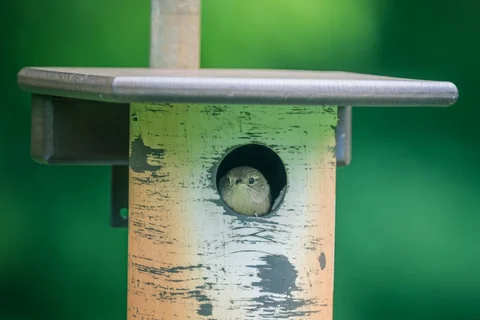
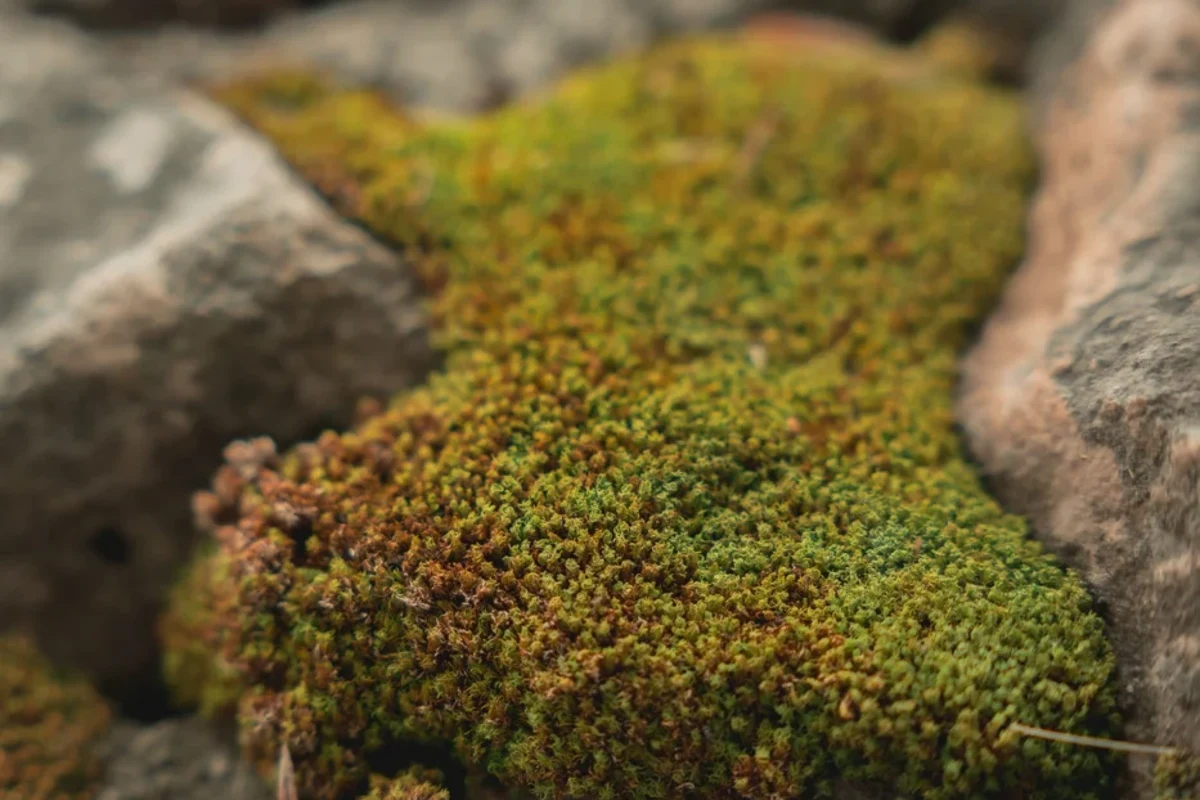
Watching a bird select one strand and reject another is a reminder that nesting material is not interchangeable stuffing. Moss, fine plant stems, leaves and other natural materials serve different purposes in different nests. An ordinary garden box is generally offered empty so its occupants can make their own choices.
You can support that process by leaving some natural texture in the garden. A sheltered patch of dry stems or undisturbed leaf litter does not need to be arranged into a nest-making kit. Avoid collecting material from wild habitats elsewhere to stock your own garden.
Keep household waste out
Do not put out string, sewing thread, synthetic stuffing or long hair. These are not necessary additions to a bird's material supply and can create entanglement risks. Dryer lint is also an uncertain mixture of fibres and residues, rather than a predictable substitute for natural plant material.
Pet fur deserves particular caution. A University of Sussex study reported insecticides in fur-lined tit nests and an association with poorer breeding outcomes. Do not offer grooming waste as a nesting gift, especially from treated animals. Dispose of it securely; decisions about your pet's parasite treatment should remain with its veterinary adviser.
Resist pre-filling a nest box
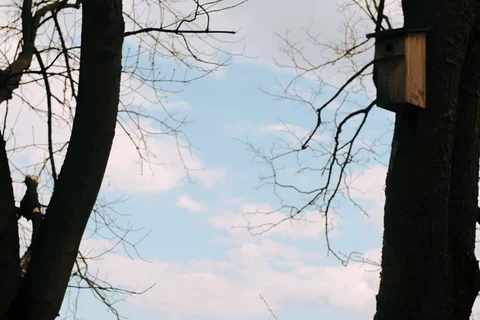
Packing a chamber with soft material changes the space available and assumes you know what its future occupant needs. Leave a standard box empty unless a recognised species-specific design explicitly calls for a particular substrate. Do not transfer an old nest into a new box in an attempt to make it feel established.
If birds start carrying material in, let them continue without handling or rearranging it. A little moss hanging from the entrance is not an invitation to tidy the inside. Watch from elsewhere and keep tools away from the site.
Make the useful change at ground level
Pick up garden twine, plant-label ties and fishing line before they become available to wildlife. When cutting a length of string, collect the offcuts immediately rather than leaving them on a bench where they may blow away.
The most helpful contribution may therefore be removing artificial hazards while leaving ordinary natural material alone. It is a quieter project than hanging a basket of fibres, but it gives birds choices without adding something they never needed.