Choosing a mixed hedge for birds
A mixed boundary can offer more than a screen, provided its plants suit the ground and the available width.
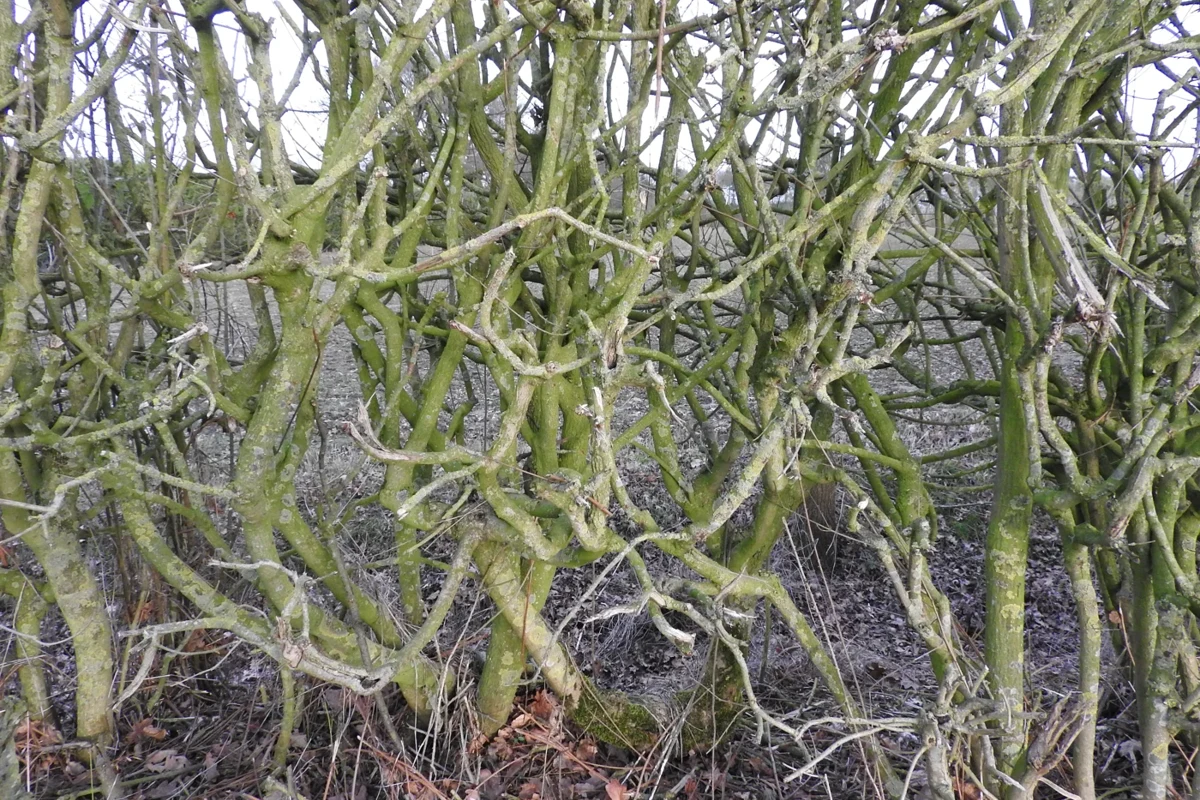
A hedge is often chosen from the pavement: how tall will it grow, and how quickly will it hide the view? For birds, the less conspicuous features matter too. Branching near the base, leaves that shelter insects, flowers and fruit all change what the boundary can provide.
A mixed hedge spreads these features across different plants. That does not mean every garden needs the same packet of native whips. A wet, compacted strip beside a drive and a dry sunny boundary are different planting sites. Choose for the soil, the light and the width you can allow, then consider the wildlife benefits of the plants that will actually grow there.
Measure the future hedge
Mark its intended width on the ground before ordering. Include the space needed to walk alongside it and carry out maintenance from your own property. A narrow trench against a neighbour's fence may not accommodate the mature plants shown in a supplier's photograph. Check the boundary and discuss changes where necessary.
Look at successful hedges nearby for clues, but do not assume an old hedge proves every species in it will establish easily in your garden. Buildings, drainage and shade can change over a few metres. A nursery can help match a shortlist to those conditions. Ask for the botanical names so that similar common names do not lead to the wrong plant.
Give the young plants a workable start
The first year is mostly an establishment job. Follow the planting guidance for the stock you buy, keep competing vegetation away from the immediate root area and check moisture during dry periods. A row of tiny plants disappears surprisingly quickly among vigorous grass. Label the ends of the planting strip so it does not get mown by mistake.
If you use guards or ties, make their inspection part of the plan. They are temporary equipment, not something to forget once the hedge turns green. A note on the calendar is more useful than relying on noticing a constriction from the house.
Allow space for a less formal outline if the location permits. A hedge cut back very tightly every year may provide screening while producing little blossom or fruit. The right maintenance pattern depends on the species and setting; work on one part at a time can preserve some cover while another part recovers.
The bottom is part of the hedge
Avoid treating the ground beneath the plants as an unrelated strip to be sterilised. Leaves and low vegetation can form another habitat layer. Keep necessary access and public paths clear, but consider whether the interior base really needs the same finish as the front edge.
Before any cutting, check for nesting activity from a distance. A calendar is a planning aid, not proof that a hedge is unoccupied. If birds are nesting, postpone work that would affect them and seek appropriate guidance if the situation is complicated. The hedge becomes useful gradually; maintaining that usefulness is a longer project than planting it.