Making a log pile that can stay put
The useful part is what happens to the wood after you stop moving it.
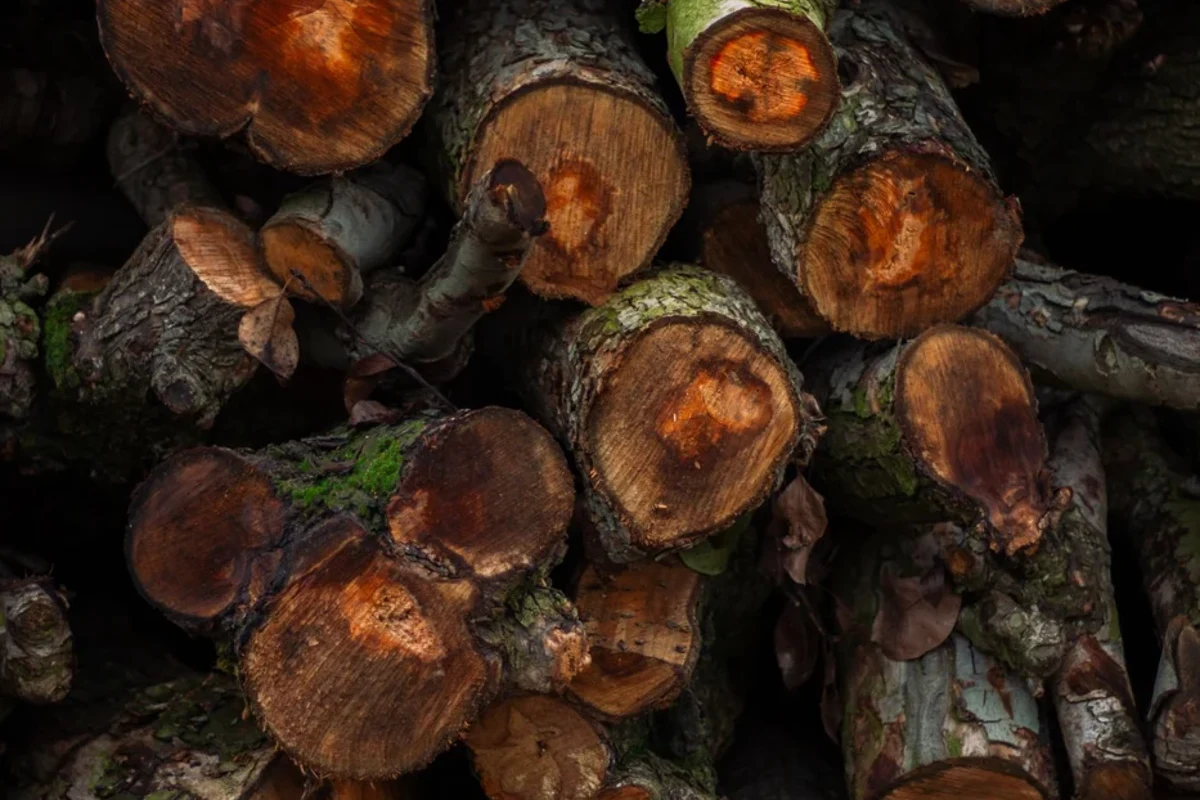
A log pile is not a stack of firewood waiting for next winter. Its value as habitat develops as the wood changes, holds moisture and becomes occupied. If you plan to take it apart every few months, choose a different place or set aside different wood for burning.
Start with untreated wood from a legitimate source, such as suitable branches already cut during garden maintenance. Do not collect decaying timber from woodland: it is already somebody's habitat. Painted, chemically treated or contaminated timber is not an appropriate substitute for natural garden wood.
Put stability before height
A low arrangement is usually easier to keep safe than an impressive tower. Choose a place where it will not roll onto a path or become a climbing hazard. Set the largest pieces securely and avoid balancing heavy logs on narrow points. If the pile is beside a boundary, leave access needed for repairs rather than blocking it permanently.
Different positions create different conditions. A shaded base may stay damp, while a more exposed surface dries quickly. You do not need to engineer a perfect miniature forest. Allow some contact with the ground and let the arrangement settle, checking that it remains stable after rain or frost.
Watch the visitors, not just the timber
The insects and other small creatures associated with decomposing wood are part of a wider garden food web. A bird may inspect cracks or search the ground around the pile rather than land dramatically on its highest log. Leave the surrounding space quiet enough for that searching to happen.
Avoid pulling pieces apart to find residents for photographs. The interesting activity may be at the edges: a small movement under bark, a bird turning its head to inspect a gap, or new fungal growth after wet weather. Record what is visible without dismantling the conditions that made it possible.
Add carefully
If more suitable wood becomes available, extend the pile without crushing established spaces or making it unstable. Keep a separate area for material that still needs sorting. It is easier to decide what belongs before adding it than to remove unsuitable pieces from the middle later.
Tell anyone who helps maintain the garden that this wood is intended to stay. A small habitat can disappear during an enthusiastic clear-up because its purpose was never discussed. The most effective label may be a conversation, especially if you prefer not to add signs around the garden.