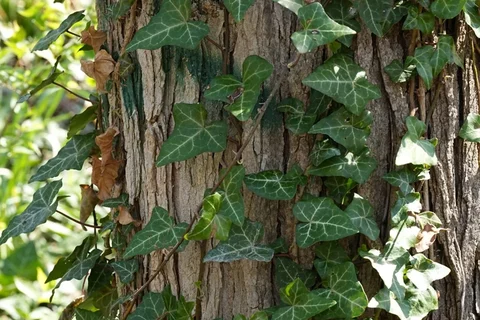
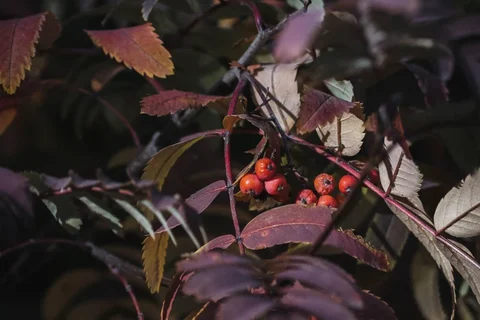
Reducing hiding places around bird activity
Look at the approaches to water and feeding places, rather than stripping the whole garden of cover.
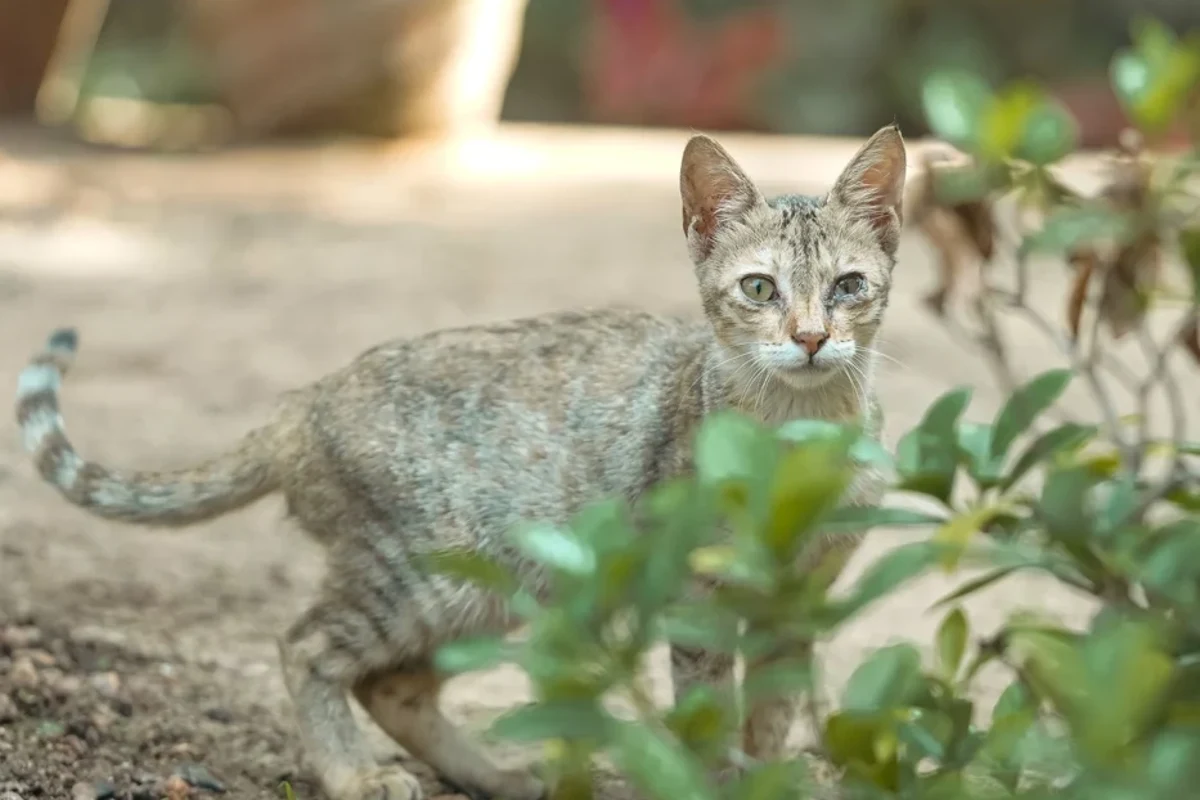
Dense planting gives birds shelter, but a concealed approach immediately beside a feeding place can also help a cat get close. The task is to distinguish useful escape cover from a hiding place at the point where birds are concentrating.
Watch the garden at different times. A route along the fence or behind a large pot may not be obvious from the kitchen. Note where cats pause and how birds approach the same area. This is a layout problem to understand before adding deterrents or removing plants.
Give birds a view
Consider whether a feeder or water bowl has clear space around it, while suitable cover remains within reach. There is no single distance that makes every garden safe. Plant height, walls, furniture and routes all change the situation. Reassess after moving pots or allowing a shrub to grow.
Avoid placing a nest box beside a convenient climbing route. A low roof, fence top or branch may provide access that is hidden in a front-facing photograph. Think about the whole approach rather than the height of the box alone. Once a box is occupied, do not make disruptive changes around it without appropriate advice.
Keep deterrents humane
Do not use substances, traps or improvised spikes that could injure cats, birds or other wildlife. A deterrent marketed for gardens is not automatically appropriate for every location; read its instructions and consider effects on neighbours and other animals.
If the cat belongs to someone nearby, a calm conversation about a specific problem is more useful than an accusation about all cats. Describe what you have observed and any simple layout changes you are making. Avoid claiming a precise number of birds has been lost when you do not have that evidence.
When young birds are present
If you own a cat, keeping it away from an area where fledglings are active can give the young birds space while their parents continue caring for them. Follow animal welfare advice for managing your pet. Do not catch and relocate healthy fledglings simply because their location is inconvenient.
Continue providing vegetation that supports birds through the year. Removing every shrub would also remove shelter and foraging opportunities. The aim is a better arrangement around high-use spots, with realistic expectations: no garden layout can promise to eliminate all predation.