Helping a garden through a dry spell
Protect the living structure first, and avoid turning every brown patch into an emergency.
A dry spell makes a garden look as if several problems arrived at once. Grass changes colour, pots dry quickly and exposed soil becomes hard. The temptation is to water everything briefly. A better starting point is deciding which plants are most vulnerable and which established areas can wait.
For birds, the garden's shelter and living vegetation still matter when it looks less green. Removing a struggling shrub immediately or cutting every patch of dry growth can take away cover at the same time that conditions are already difficult. Assess the plant before making a permanent decision.
Prioritise the new planting
Recently planted trees and shrubs have not yet developed the root system of an established plant. Containers also depend heavily on the water available in a limited volume of compost. Check these first, following the needs of the particular plants rather than assuming a brief surface sprinkle has reached their roots.
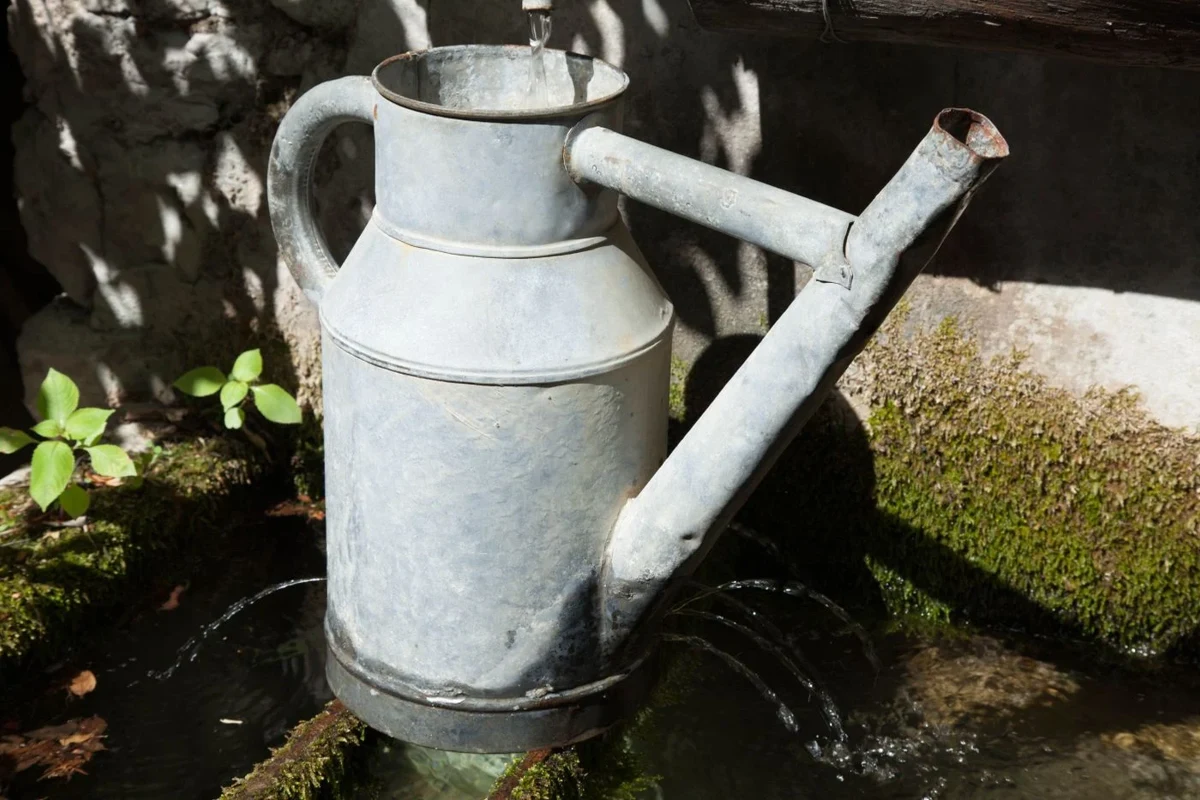
Observe local water restrictions and use water carefully. A watering can directed at the root area is easier to control than spraying foliage indiscriminately. Grouping suitable pots can make checking them more convenient, but do not crowd them into a position where they become unstable or block a route.
Keep the soil covered appropriately
Mulch can help reduce evaporation when used correctly on suitable soil. It is not a substitute for getting water into a dry root ball, and it should not be piled against trunks. Follow horticultural guidance for the plant and material you use. Gravel around a dry-loving plant and organic mulch around a shrub serve different settings.
Leave some shaded places undisturbed. A garden where every surface is exposed and swept clear offers fewer cool pockets than one with vegetation and retained organic material. That does not mean leaving spoiled feeder waste under shrubs; hygiene remains a separate task.
Review shared water
If a natural water source has dried, a maintained shallow bowl may provide temporary access. It needs fresh water and cleaning, not just repeated topping up over dirt. Consider current local water-treatment and bird-health guidance when choosing the water source and position.
After the dry spell, record which plants coped and which needed frequent attention. That information can guide future planting more effectively than buying replacements labelled vaguely as wildlife-friendly. A plant that suits the garden and survives there is more likely to provide continuing shelter than one that requires a level of care you cannot maintain.