Counting birds without counting the same one twice
Decide what your number represents before you begin adding birds to it.
Three arrivals may be one bird
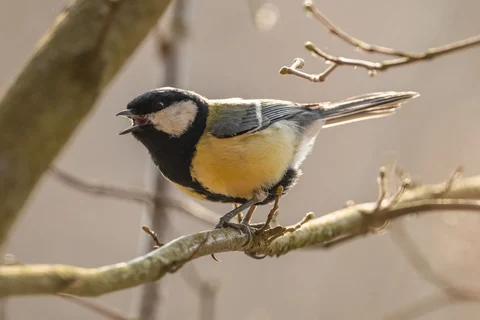
A blue tit lands, leaves and returns twice. That is three visits, but it may be only one bird. This is the first distinction to make in a garden count: are you recording visits, individual birds or the largest number present together? Each can answer a different question, and mixing them produces a number with no clear meaning.
For a straightforward personal watch, recording the highest number of each species seen at the same time gives a defensible minimum. It does not estimate every bird that used the garden during the day. If you are taking part in an organised survey, use its current instructions; different schemes have different purposes and rules.
Practise with an example
Suppose two blackbirds are on the lawn. One leaves, and later a single blackbird appears under the hedge. Your simultaneous maximum is still two. If three then appear together, it becomes three. You do not add the sequence to make six.
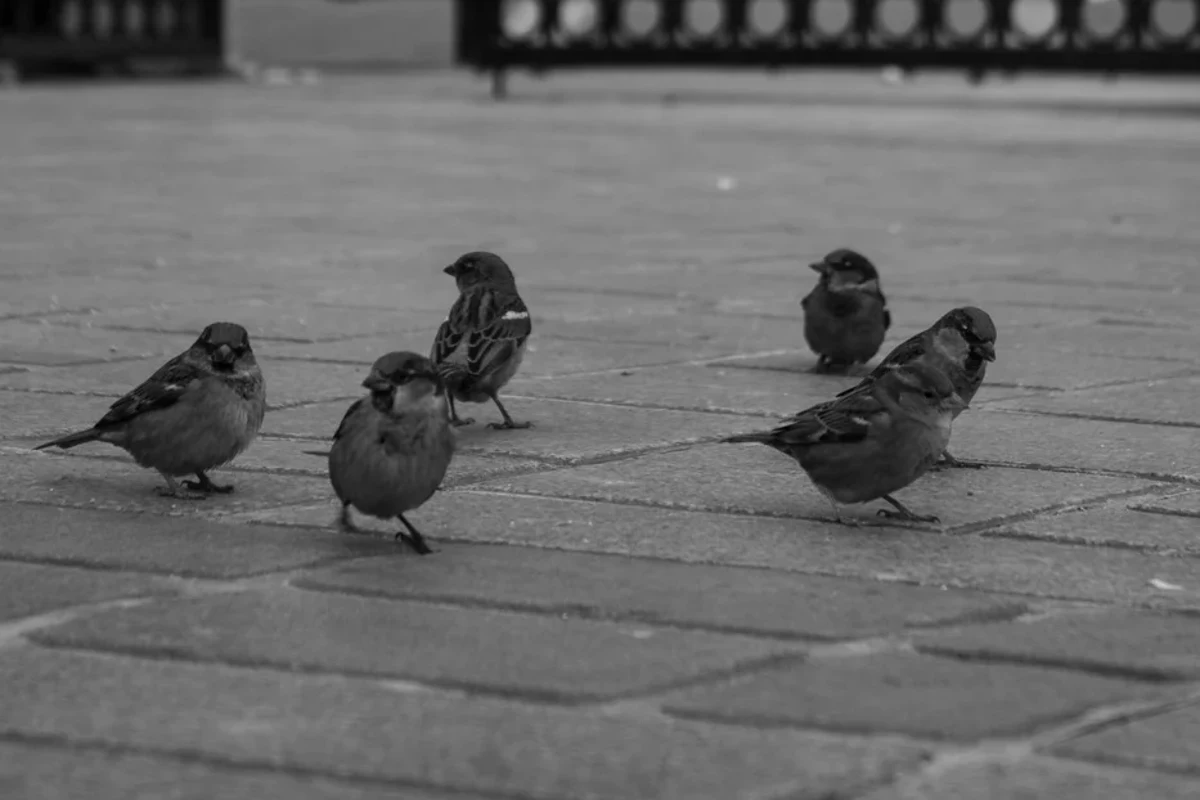
Now imagine five sparrows visible in a hedge and more calls from inside it. Five is a minimum you have seen. The hidden calls may indicate additional birds, but unless the survey accepts that evidence and you can distinguish individuals, they should not become a confident extra total.
Write numbers as you go rather than reconstructing them at the end. A simple column for each species is enough. Cross out a lower maximum when a higher one occurs, leaving the earlier figure readable if you want a record of the sequence.
Make the boundary explicit
Decide whether your count covers the whole garden, the view from one window or a named area in a park. A bird on the neighbour's roof may be a separate observation. Flyovers may also need separate treatment. State your rule before the watch and do not change it because an exciting species appears just outside the boundary.
If participating in the RSPB Big Garden Birdwatch, consult the event's instructions for duration, location and which birds to include. Do not transfer those rules automatically to a BTO survey or a personal walking list.
A low count still records something
Wind, rain, time of day and disturbance can affect what you see. Record those conditions alongside the number. Choosing only your busiest watch for a series of supposedly routine observations would hide the quieter days that are part of the picture.
Avoid topping up food or moving a feeder simply to improve a count. The observation should describe the garden as it is being used, not a performance arranged for a larger total. If you miss a bird or lose track of a moving flock, record the uncertainty. A modest number with a clear method is useful; a precise number built from guesses is not.