Growing sunflowers beyond the flowers
Choose a plant for the head it will leave behind as well as the flower it will produce.
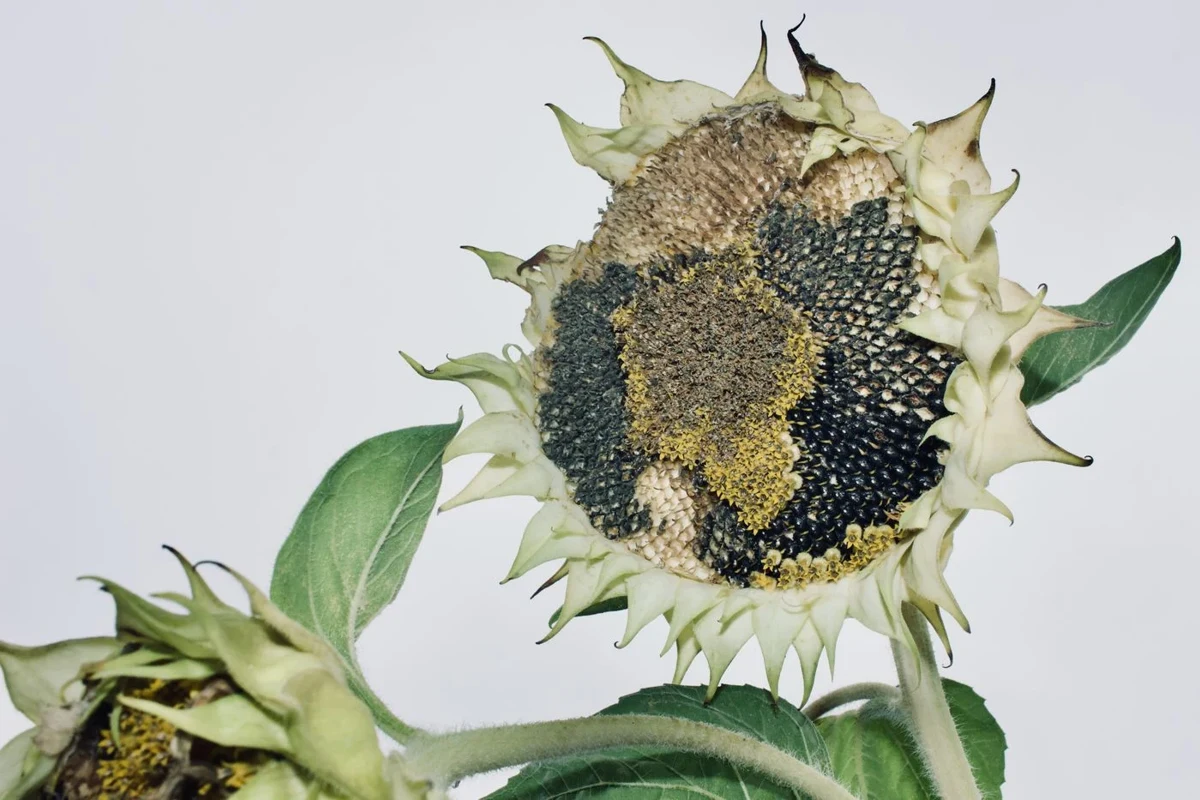
A sunflower grown for a vase and a sunflower grown to remain in the garden have different endings. For the second, the fading flower is part of the plan. Its head can mature while the plant stays rooted, giving birds a chance to find the seeds where they developed.
Choose a variety that fits the site. A very tall sunflower beside a windy path can become a problem long before it produces ripe seed. Shorter or branching varieties may be easier to manage in a modest border. Check the packet's height and growing instructions rather than assuming all sunflowers behave like the tallest competition plants.
Give the stem a chance
Plant in an appropriate sunny position and protect young growth as needed while it establishes. If support is required, put it in without waiting for the plant to lean heavily. Use a tie that supports rather than cuts into the stem, and check it as growth continues.
In a container, water availability and stability need extra attention. A pot that was manageable in spring can become top-heavy with a large plant above it. Make sure it cannot fall into a walkway or over a balcony edge. Do not use a height record as the measure of success; a healthy plant that can be left standing is more useful here.
Let a head ripen
For a wildlife-focused plant, avoid automatically deadheading every faded flower. Watch the centre develop instead. Keep the head on the plant if it remains sound, and remove only material that has become unsafe or badly spoiled. A soft, mouldy head is not improved by hanging it beside a feeder.
Growing plants that provide natural seeds is different from keeping a shared feeder continuously stocked. Current seasonal guidance for supplied seed and peanuts should still be followed at feeding stations. Do not use the sunflower patch as a reason to ignore hygiene or leave old loose seed accumulating in a tray.
Notice what is left
Photograph the same head at intervals. You may see empty spaces appear among the seeds or notice a bird balancing on the back of the head rather than its front. These small changes make a useful record even when you miss the actual feeding visit.
At the end of the season, decide whether a sound stem can stay a little longer. When it finally needs removing, check the surrounding vegetation before working. Growing for birds includes the quieter weeks after flowering, not only the bright day when the first petals open.