Offering mealworms in small amounts
A small serving is easier to manage than a generous dish that remains outdoors into the evening.
Decide what you can supervise
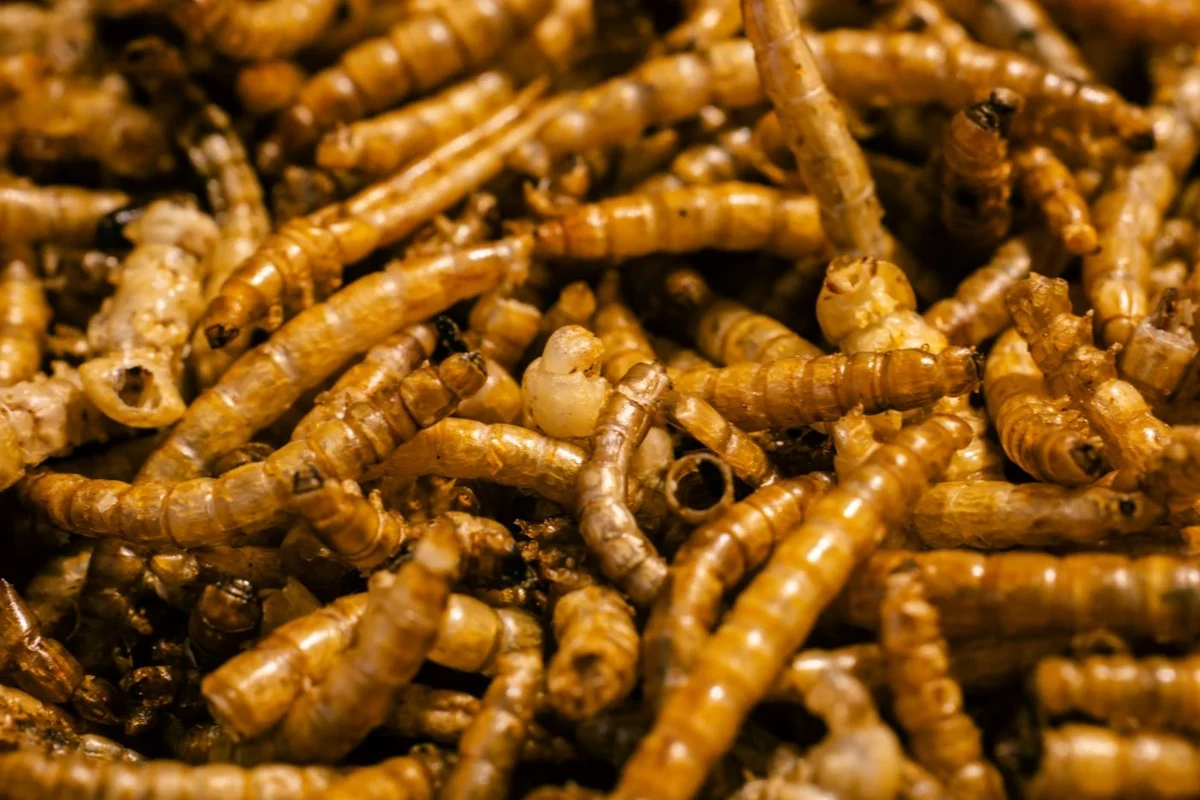
Mealworms can be offered in small amounts under current feeding guidance, including during the seed pause. That does not make them a food to leave indefinitely. Choose a time when you can check the serving and remove what remains later the same day.
If you are rushing out for the day, there is no obligation to put food out first. A garden can offer insects through vegetation and other habitat without a purchased serving at every breakfast. Supplementary feeding should fit a care routine you can actually carry out.
Prepare only a little
Follow the product's instructions for storage and handling. RSPB advises soaking dried mealworms before offering them. Prepare a small fresh amount rather than keeping a wet batch ready for several days, and use clean equipment reserved for bird care.
Live and dried products have different storage needs, so do not transfer assumptions between them. Keep supplies secure from pets and separate from household food. If the condition or smell is questionable, discard the material rather than trying it outside.
Think about how leftovers will be removed
Choose a serving arrangement that lets you see what remains and retrieve it without disturbing a nesting area. Do not spread food through thick vegetation simply to hide the feeding point. Invisible leftovers are harder to manage, not safer.
Current recommendations discourage flat feeding stations because they can become shared contaminated surfaces. Avoid turning a small serving into a permanent communal tray. Follow current guidance for an appropriate insect-food holder and keep the equipment clean between uses.
Finish the job before dusk
RSPB asks that mealworm leftovers be eaten or cleared by dusk, particularly to avoid access by hedgehogs. Make that part of the task rather than an optional extra. A reminder on days you offer them can be useful until the habit is established.
If a serving is repeatedly left, reduce it or stop offering it. Do not judge success by how many birds crowd around at once. Observing a few visits and then removing the equipment can be easier to manage than keeping food available continuously.
During suspected disease in the garden, stop supplementary feeding and follow the relevant advice. Switching from seed to mealworms is not a workaround for the instruction to pause feeding during an outbreak.